Most people assume the truck driver caused the crash. Sometimes that's true. But when a load shifts on a curve, spills across a Houston freeway, or makes a trailer impossible to stop in time, the real cause was set in motion at a loading dock, before the truck ever moved. Cargo securement liability is one of the most misunderstood areas of Texas truck law, partly because the party at fault often never touched the steering wheel.
Who Is Liable When a Truck's Cargo Causes a Crash?
When overloaded or poorly secured cargo causes a truck crash, liability often reaches past the driver to the people who loaded, weighed, and dispatched the truck. Shippers, loading companies, and carriers can all share fault.
The proof usually lives on paper and in scale data, not just in the wreckage. That's what makes these cases different.
What Do the Federal Cargo Rules Actually Require?
Federal rules require that cargo be secured firmly enough to stay put during hard braking, sharp turns, and sudden maneuvers. These standards come from the Federal Motor Carrier Safety Administration (FMCSA) under 49 CFR Part 393.
The numbers are specific. A securement system must hold cargo against roughly 0.8 g of force forward, 0.5 g back, and 0.5 g to each side. In plainer terms, the tie-downs have to survive a hard stop without letting the load slide.
The combined strength of the tie-downs must equal at least half the weight of the cargo. Drivers are also required to inspect their securement within the first 50 miles of a trip and recheck it as the drive continues.
What Does "Working Load Limit" Mean?
The working load limit is the maximum weight a strap, chain, or anchor is rated to hold safely. Add up every tie-down on a load, and that total must reach at least 50% of the cargo's weight. When it doesn't, the load is under-secured by federal standards, regardless of whether anything looked loose.
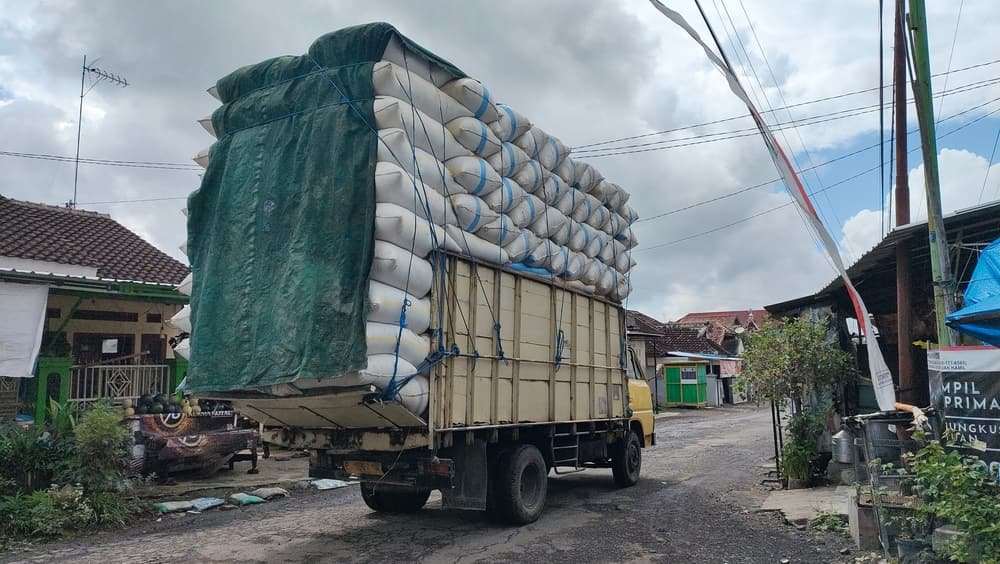
How Overweight and Shifting Loads Cause Crashes
An overloaded or unbalanced truck behaves differently than a properly loaded one, and those differences turn dangerous fast. Weight is not just a number on a permit. It changes how the whole rig moves.
A federal weight limit of 80,000 pounds exists for a reason. Past that point, or when weight sits unevenly, three things tend to go wrong.
Longer stopping distance. More weight means the truck needs more room to stop. A load a few thousand pounds over can erase the safety margin a driver was counting on.
Rollover risk. A high or unbalanced load raises the truck's center of gravity. On a curving Houston interchange ramp, that can tip a trailer that would otherwise hold the lane.
Loss of control. Cargo that shifts mid-turn throws off the truck's balance suddenly, which can trigger a jackknife or send the trailer into the next lane.
Who Actually Loaded the Truck? That's the Real Question
Liability in a cargo case follows the chain of people who handled the load, not just the person driving it. Untangling that chain is where these claims are won or lost.
| Party | When They May Be Liable |
| The shipper | Chose to overload, misrepresented weight, or demanded an unsafe configuration |
| The loading company | Stacked, balanced, or secured the cargo improperly |
| The carrier (trucking company) | Failed to train drivers, skipped weigh checks, or dispatched a known-overweight truck |
| The driver | Ignored a visibly unsafe load or skipped required securement checks |
| A broker | Arranged transport that pressured shortcuts on safety |
In many crashes, responsibility is split across two or more of these. A shipper that overloads and a carrier that looks the other way can both end up accountable.
Why the Driver Isn't Always the One at Fault
A driver often has no way to know a sealed trailer is overweight or that cargo inside is stacked wrong. When the loading happened out of the driver's sight and control, the fault frequently sits with whoever packed and weighed it. This is a key reason not to assume the driver's insurer is the only one that matters.
The Paper Trail That Proves These Cases
Cargo cases are won with documents, and those documents exist, if you reach them before they disappear. Unlike a split-second driving error, a loading decision leaves records.
Weigh tickets show what the truck actually weighed. Bills of lading, often shortened to BOL, list what the cargo was and who shipped it. Loading logs, dispatch records, and scale-house data fill in the rest.
Getting these often takes a formal legal demand, because the companies holding them rarely volunteer them. Pairing a cargo claim with a look at trucking company negligence in hiring and training can also reveal whether the carrier had a pattern of cutting corners. An experienced Houston truck accident lawyer knows which records to demand and how fast.
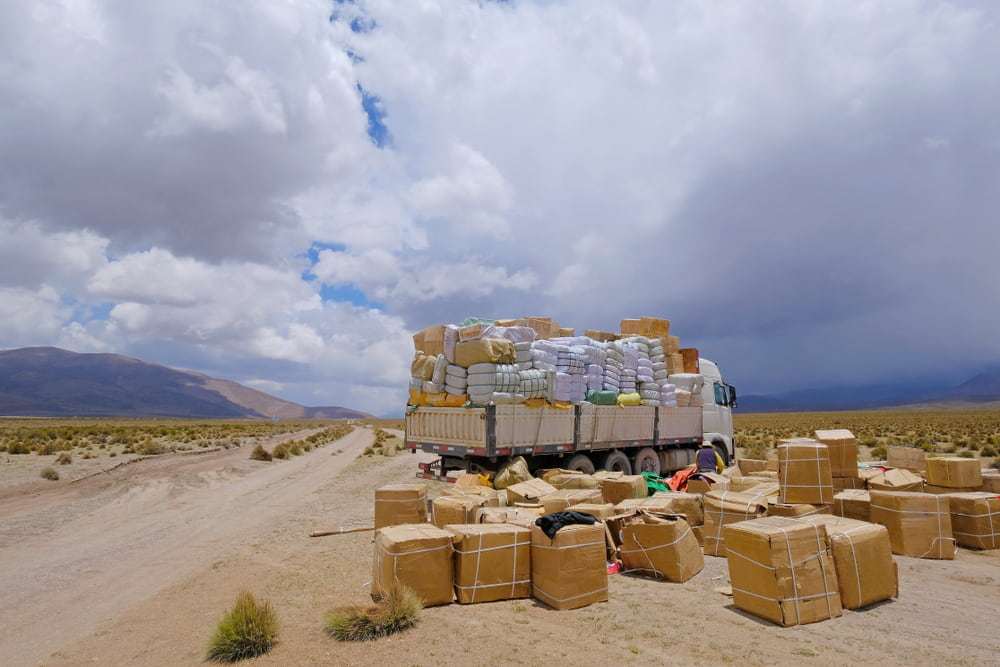
Texas Rules That Decide What You Recover
Two Texas rules shape nearly every cargo crash claim: the shared-fault standard and the filing deadline. Both can quietly limit your case if you wait.
Under Section 33.001 of the Texas Civil Practice and Remedies Code, Texas follows modified comparative negligence. If you're found more than 50% responsible, you recover nothing. Below that line, your recovery shrinks by your share of fault. With several companies potentially liable, how blame gets divided among them matters a great deal.
The deadline is generally two years from the crash date, set by Section 16.003 of the Texas Civil Practice and Remedies Code. Cargo evidence can vanish long before that, which is why early action counts.
Cargo and Overloaded Truck Questions Answered by Attorneys
What's the difference between an overloaded truck and an improperly secured one?
An overloaded truck carries more weight than it's rated or permitted to haul, which affects braking and stability. An improperly secured load may be within weight limits but tied down poorly, so it shifts or falls. Both can cause a crash, and both point to specific responsible parties.
Can a shipping company in another state be sued in Texas?
Often yes, when the crash happened in Texas and the shipper's cargo was involved. The details of where and how the company does business affect this, so it's worth reviewing early with a lawyer.
What should I photograph if cargo caused my crash?
Images of the spilled or shifted load, any visible straps or chains, the trailer, and the truck's company markings all help. Scene photos taken before the load is cleared can be hard to recreate later.
Does a broken strap alone prove the company was negligent?
Not by itself, but it's a strong starting point. Investigators look at whether the right number and rating of tie-downs were used, whether inspections happened, and whether the load was balanced. A single failed strap often reveals a larger securement problem.
Cargo fell off a truck and hit my car. Who do I even go after?
It depends on who loaded and secured that cargo. The shipper, a loading company, or the carrier could each be responsible. Preserving the bill of lading and any weigh tickets early helps identify the right party.
How would anyone prove the truck was overweight?
Weigh-station records, scale tickets, and the shipping paperwork often show the actual load weight. A formal legal request can compel a company to hand over records it wouldn't share on its own.
The driver seemed fine and wasn't speeding. Can there still be a claim?
Yes. A careful, sober driver can still be operating a truck that was overloaded or badly packed by someone else. In those cases, fault often points back to the loading dock rather than the cab.
The Fault Was Loaded Before the Truck Left the Dock
When cargo causes a crash, the story usually starts somewhere quieter than the highway, at a scale, a loading bay, a dispatch office. The Calderon Law Firm digs into that part of the story, because that's where accountability often lives, and where the records that prove it are waiting.
We've stood with more than 5,000 Texas families across Greater Houston and recovered over $200 million in settlements for our clients. Reviewing your case costs nothing, and in most injury cases we're only paid if we win.
If shifted or overweight cargo left you hurt on a Houston road, call (346) 999-5673. Someone bilingual is ready to talk, any hour.