If a truck sideswiped or merged into you, expect the trucking company's insurer to say it was your fault for driving in the blind spot. It's one of the most common moves in the playbook, and it works because it sounds reasonable. A no-zone truck accident sits in a gray area drivers rarely understand, which is exactly why insurers lean on it so hard. Knowing how these crashes actually happen, and what Texas law says about blame, changes the conversation.
Who Is at Fault in a Truck Blind-Spot Accident?
In a blind-spot truck accident, fault often lands on the truck driver, because commercial drivers are trained to know exactly where their blind spots are and to check before moving. But the insurance company will frequently argue you were the one who caused it by lingering in the "no-zone."
That argument isn't the final word. Texas law, and the evidence, often tell a different story.
What Are a Truck's Four Blind Spots?
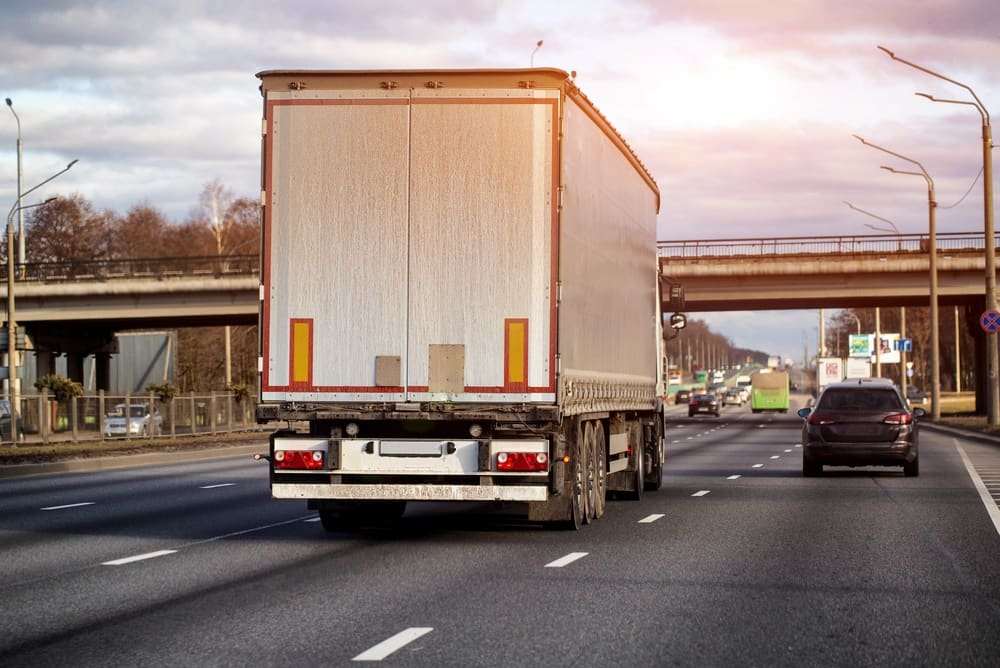
A large truck has four major blind spots, called "no-zones," where the driver cannot see nearby vehicles. Knowing where they sit explains how most of these crashes happen.
- Directly in front, roughly 20 feet ahead of the cab, where a driver can't see a car that just merged over.
- Directly behind, about 30 feet back, where the trailer blocks all rear view.
- Along the right side, the largest and most dangerous zone, stretching back several lanes.
- Along the left side, below and behind the driver's window.
The right-side no-zone is the one that surprises people. It's huge, and it's why trucks make such wide right turns. A car sitting off the truck's right rear can be completely invisible to the driver.
Why Is the Right Side More Dangerous Than the Left?
The right side is more dangerous because it's larger and sits farther from the driver, who is seated on the left. A driver has a much harder time spotting a vehicle on the right, and right turns swing wide, pulling the trailer across lanes where a car may be waiting.
How Do No-Zone Crashes Actually Happen?
Most no-zone crashes come from a truck changing lanes or turning into a space the driver couldn't fully see. The mechanics are usually one of a few repeat scenarios.
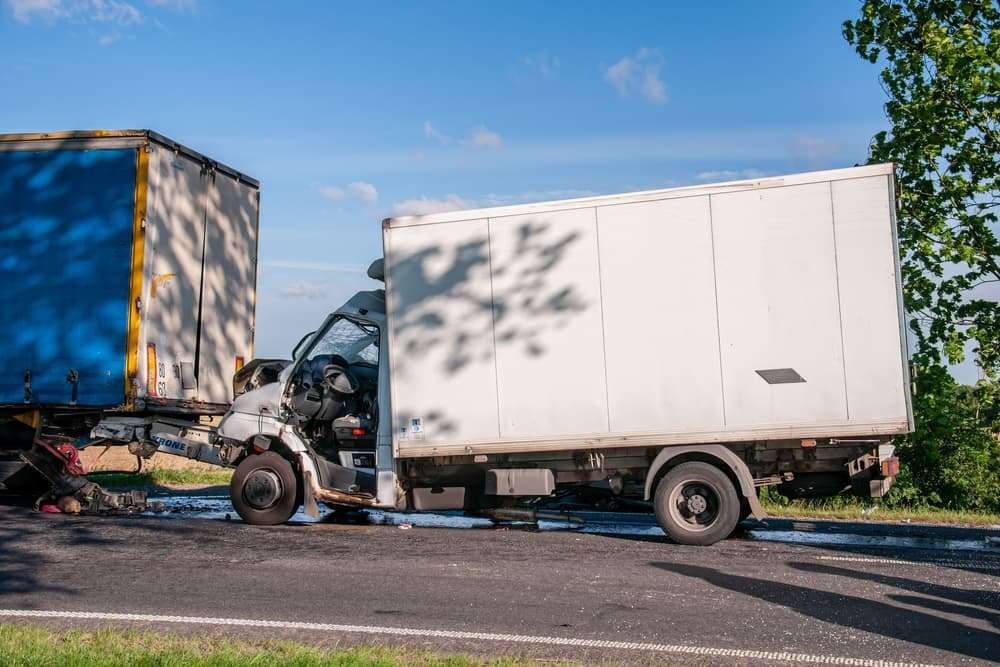
A truck merges left or right and clips a car riding in the blind spot. A truck turns right and squeezes a vehicle that slipped up its right side. A car gets rear-ended after passing a truck and cutting back too soon into the front no-zone. Each looks different from the outside but traces back to the same problem: a driver moved without confirming the lane was clear.
Whose Duty Was It to Look? Untangling Fault
Fault usually turns on who had the duty to make sure the lane was clear, and that duty rests heavily on the truck driver. Commercial drivers carry a higher standard because they're professionally trained on exactly these hazards.
| Scenario | Who Fault Often Falls On | Why |
| Truck changes lanes into a car it didn't see | The truck driver | Drivers must check mirrors and clear blind spots before moving |
| Truck makes a wide right turn over a car | The truck driver | Professional drivers are trained to account for the right no-zone |
| Car darts into the front no-zone and brakes | May shift toward the car | Cutting off a truck that can't stop quickly can share blame |
| Truck's mirrors or cameras were broken | The truck driver and carrier | Equipment must be maintained and used |
Even when a car was in a blind spot, that alone doesn't decide fault. The core question is whether the truck driver took the steps a trained professional should have before changing lanes or turning.
Does Being in the Blind Spot Automatically Make It My Fault?
No. Riding in a blind spot is not against the law, and it doesn't hand the driver a free pass. The driver still has a duty to signal, check, and move safely. Insurers push the "you were in the no-zone" line because it shifts blame under Texas fault rules, not because it settles the question.
The Real Reason the Insurer Wants You Partly at Fault
The insurer wants you sharing blame because Texas law lets them pay less for every percentage point they pin on you. This is the heart of these disputes.
Under Section 33.001 of the Texas Civil Practice and Remedies Code, Texas uses modified comparative negligence, also called proportionate responsibility. If you're found more than 50% at fault, you recover nothing. Below that, your recovery is cut by your share. So if an adjuster convinces a jury you were 30% responsible for sitting in the no-zone, your recovery drops by nearly a third.
That's the whole game behind the blind-spot argument. Recognizing it as a financial strategy, rather than a neutral fact, is the first step in pushing back.
Houston Freeways Make No-Zones Worse
Houston's merging-heavy freeways create constant blind-spot exposure, more than almost any other driving environment in Texas. The reason is structural.
Interchanges like the I-10 and 610 junction force short, aggressive merges where cars and trucks weave across multiple lanes in seconds. Frequent on-ramps along the Katy Freeway and I-45 drop passenger cars right into truck no-zones with little runway. Add heavy commercial traffic moving through the Port of Houston corridor, and blind-spot conflicts become a daily reality. These aren't rare freak events. They're a predictable product of how Houston traffic and trucking overlap.
Proving What Really Happened
These cases often come down to evidence that shows what the truck driver did in the seconds before impact. Dash cam footage, the truck's onboard cameras, and witness accounts can confirm whether the driver signaled and checked.
Because a blind-spot crash can involve both a large truck and a passenger vehicle, the analysis borrows from how passenger-vehicle crashes get reconstructed, layered with the higher duties trucks carry. A Houston truck accident lawyer can work to secure this footage before it's lost and counter the no-zone blame with what the record actually shows.
No-Zone Truck Accident Questions Answered by Attorneys
What's the difference between a blind spot and a "no-zone"?
They're the same thing. "No-zone" is simply the trucking-industry term for the areas around a large truck where the driver can't see other vehicles. There are four of them, and the right side is the biggest.
Can newer trucks with cameras still have blind-spot crashes?
Yes. Cameras and sensors help, but they don't erase every blind spot, and equipment can fail or go unused. When a truck has that technology and the driver ignores it, that can strengthen a claim against the driver and carrier.
What should I do right after a suspected blind-spot crash?
Photograph both vehicles' positions and damage, note the truck's company name, and look for nearby cameras or witnesses. Details that show the truck's movement and yours are especially useful later.
How does Texas divide fault when both drivers made mistakes?
Texas assigns each party a percentage of responsibility. You can still recover as long as your share stays at 50% or below, but your award is reduced by your percentage. This is why fighting an inflated blind-spot blame figure matters.
The trucker says I was in his blind spot. Is my case over?
Not at all. Being in a blind spot doesn't excuse an unsafe lane change or turn. Truck drivers are trained to check for exactly that, and the evidence often shows whether they did.
How can anyone prove the driver didn't check before merging?
Dash cams, the truck's own cameras, mirror-position data, and witness statements can all show what the driver did. Sometimes the absence of a turn signal in the footage tells the story.
I clipped the truck's right side while it turned. Am I automatically to blame?
Not necessarily. Trucks make wide right turns and their right-side no-zone is large, so drivers are expected to account for cars there. Whether you or the driver bears more fault depends on the specific movements leading up to the crash.
Don't Let "You Were in the Blind Spot" Be the Last Word
The no-zone argument is designed to make you accept blame you may not deserve, and to quietly shrink what your injuries are worth. At The Calderon Law Firm, we treat that argument as the opening move it is, then go get the footage and facts that answer it.
We've stood with more than 5,000 Texas families across Greater Houston and recovered over $200 million in settlements for our clients. Case reviews are free, and in most injury cases you owe nothing unless we win.
If a truck merged into your life on a Houston freeway and now you're being blamed, call (346) 999-5673. Our bilingual team is available around the clock.