Picture an 18-wheeler braking hard on a rain-slicked stretch of the 610 Loop. The cab slows, but 40,000 pounds of trailer behind it does not want to. That trailer swings sideways, and for a few seconds it sweeps across lanes like a closing blade. A jackknife truck accident can cross three lanes in the time it takes you to react. Understanding why these crashes happen, and who Texas law holds responsible, is the first step for anyone hurt in one.
What Causes a Jackknife Truck Accident and Who Pays for It?
A jackknife truck accident usually happens when a tractor-trailer's cab slows or loses traction while the loaded trailer keeps pushing forward, swinging out until the rig folds like a pocketknife. Liability can fall on the driver, the trucking company, a maintenance provider, or whoever loaded the cargo.
Fault is rarely obvious at the scene. It often takes crash data and company records to show who actually caused the fold.
The Physics: Why Does a Trailer Swing Out?
A trailer swings out when the tractor loses grip or slows suddenly while the trailer's momentum carries it forward on its own path. The tractor and trailer are two separate masses connected by a single pivot point, the fifth wheel. When they stop cooperating, the rig folds.
Three forces usually drive that loss of control.
Hard or panic braking. When a driver slams the brakes, the tractor's wheels can lock while the trailer keeps moving. The trailer overtakes the cab.
Traction loss. Wet pavement, oil, or worn tires reduce grip. Houston's sudden downpours are a frequent trigger, especially on elevated ramps and interchanges.
Weight and speed. A heavier, faster load has more momentum. It resists slowing and swings wider when things go wrong.
Does Speed Make Jackknifing Worse?
Yes. Higher speed means more momentum in the trailer, which makes any loss of traction harder to correct. A driver going too fast for wet conditions has less room to recover before the trailer breaks loose.
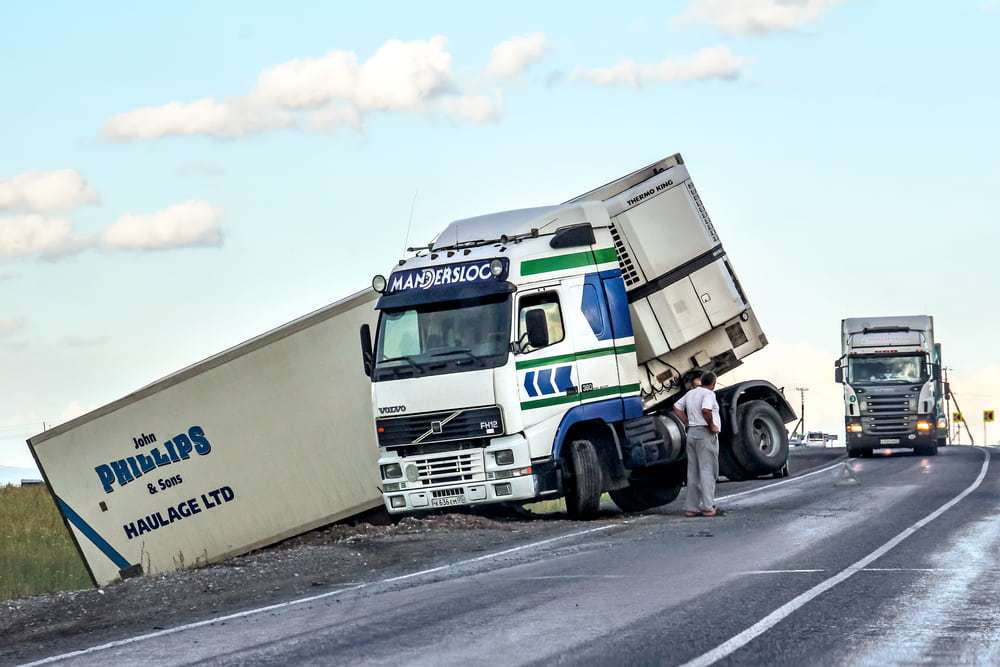
Where Do Jackknife Crashes Happen Most in Houston?
Jackknife crashes cluster where trucks brake suddenly at speed, which in Houston means freeway interchanges, on-ramps, and congested corridors. The stack interchanges where I-45, I-10, and the 610 Loop meet force trucks to slow and merge in tight spaces.
Add a Gulf Coast thunderstorm and the risk climbs. Standing water on the Katy Freeway or the North Freeway can take a trailer from stable to sideways in a heartbeat. Rush-hour stop-and-go traffic does the same, just at lower speeds.
Who Is Legally Responsible After a Jackknife Crash?
Responsibility can rest with several parties, and often more than one shares it. Sorting out who is at fault means looking at the driver's choices, the company's practices, and the condition of the truck itself.
Here is how liability tends to break down:
| Contributing Cause | Party Often Responsible | What the Evidence Looks Like |
| Speeding or braking too hard for conditions | The truck driver | Dash cam, black box speed data, witness accounts |
| Pushing an unrealistic delivery schedule | The trucking company (carrier) | Dispatch logs, driver pay records, route timing |
| Worn brakes, bald tires, bad suspension | The carrier or a maintenance provider | Inspection reports, repair records, brake analysis |
| A load that shifted or was too heavy | The company that loaded the cargo | Weight tickets, bills of lading, loading logs |
The point is simple. A jackknife is often the visible result of a decision made long before the crash, sometimes by someone who was never on the road that day.
Can the Trucking Company Be Liable, Not Just the Driver?
Yes, and often it is. Under a legal rule that holds employers responsible for their workers' on-the-job actions, a carrier can be on the hook when its driver causes a crash while working. Carriers can also be directly responsible for their own choices, like skipping brake maintenance or scheduling routes that leave no room for safe stopping.
How Texas Law Shapes a Jackknife Claim
Texas uses a shared-fault system and a firm filing deadline, and both can decide what an injured person recovers. Knowing these two rules early protects your options.
The 51% Rule Explained
Texas follows what's called modified comparative negligence, sometimes written as proportionate responsibility. If you are found partly at fault, your recovery drops by your percentage of blame. If your share climbs above 50%, you recover nothing under Section 33.001 of the Texas Civil Practice and Remedies Code.
This is exactly why trucking insurers try to pin part of the blame on you. Every percentage point they shift your way lowers what they pay.
You Have Two Years, and the Clock Is Already Running
Texas generally gives you two years from the crash date to file a personal injury lawsuit, under Section 16.003 of the Texas Civil Practice and Remedies Code. Some situations change that window, so confirming your specific deadline early is worth doing.
Why Evidence Disappears Fast in These Cases
Jackknife cases often turn on data that a trucking company controls and can overwrite. The truck's onboard systems record speed, braking, and steering in the seconds before impact, but that information does not wait around.
A Houston truck accident lawyer can move quickly to preserve it through a formal legal request before it is lost. That same black box data frequently becomes the backbone of a jackknife claim, because it shows what the driver did when it counted.
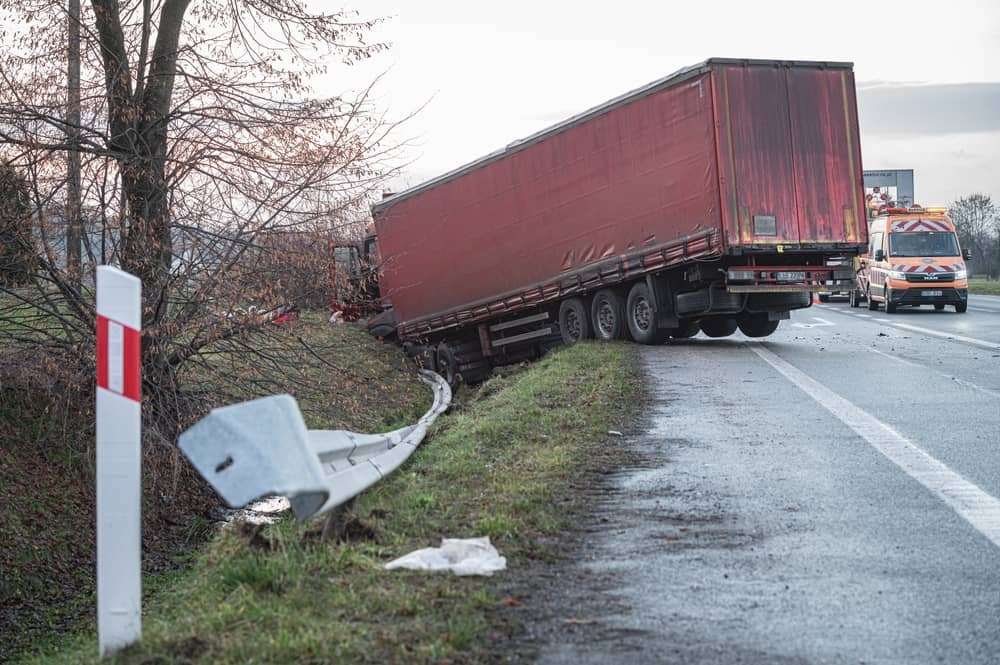
Key Numbers Behind Texas Truck Crashes
- Texas recorded close to 39,000 commercial motor vehicle crashes in 2024, more than any other state, according to the Texas Department of Transportation (TxDOT).
- Nationwide, 5,218 large trucks were involved in fatal crashes in 2024, based on data compiled by the National Highway Traffic Safety Administration (NHTSA).
- In large-truck crashes, roughly 72% of those killed are people in other vehicles, not the truck occupants, per NHTSA figures. In a jackknife, those other vehicles are the ones the swinging trailer sweeps into.
Jackknife Truck Accident Questions Answered by Attorneys
How is a jackknife accident different from a regular truck crash?
A jackknife is a specific loss-of-control event where the trailer swings out from the cab, often sweeping across multiple lanes. That sideways motion tends to involve more vehicles and raises specific questions about braking, traction, and load, which shapes how fault is investigated.
What evidence helps prove who caused a jackknife?
The truck's electronic control module, dash cam footage, maintenance and inspection records, and the driver's logs all help. Weight tickets and loading records matter too, since a poorly balanced load can start the fold.
Can more than one company be responsible for a single jackknife crash?
Yes. The carrier, a separate maintenance contractor, and a cargo loading company can each play a role. Part of building the case is identifying every party whose choices contributed.
What if the truck driver says I braked suddenly in front of them?
Trucks need far more distance to stop than passenger cars, and drivers are expected to keep a safe following gap. A claim that you stopped short is often testable against the truck's own speed and following-distance data.
I was in a smaller car and I'm being blamed for the crash. Can I still recover anything?
Possibly. Texas lets you recover as long as your share of fault stays at 50% or below, though your recovery is reduced by your percentage. This is often where preserving the truck's data matters most.
The road was wet. Does that mean no one is at fault?
Not necessarily. Drivers are expected to adjust their speed and following distance for weather. A jackknife on wet pavement can still point to speeding, worn tires, or bad brakes rather than the rain alone.
The trucking company already called me. Should I give them a statement?
It's usually better to hold off until you've spoken with a lawyer. Insurers for trucking companies often use early statements to argue you share the blame, which under Texas law can directly reduce what you recover.
When 40,000 Pounds Folds, Get Someone Reading the Data
A jackknife crash leaves physical evidence, digital evidence, and a company with every reason to control both. At The Calderon Law Firm, our work is to reach that evidence before it's gone, trace the fold back to the decision that caused it, and give you straight answers about where your case stands.
We've helped more than 5,000 Texas families across Greater Houston and recovered over $200 million in settlements for our clients. Case reviews are free, and in most injury cases we don't charge a fee unless we win.
If a jackknife crash on a Houston freeway upended your life, call (346) 999-5673. Our bilingual team answers 24/7.