





Texas sets the minimum liability insurance for drivers at $30,000 per person. For anyone who has spent a day in a Houston trauma center, that number is almost insulting. A single surgery and overnight stay can exceed it, and many Houston drivers carry exactly the minimum, or nothing at all.
A Houston car accident lawyer's first job after a crash isn't paperwork. It's mapping every possible source of insurance coverage, because the at-fault driver's policy is rarely the only answer.
The Calderon Law Firm has recovered more than $200 million for clients across Houston and Texas. Call (346) 999-5673 anytime for a free case review.
(346) 999-5673 | Free Case Review | 24/7 | Se Habla Espanol
What Injuries and Evidence Shape a Houston Car Accident Claim?

The most common injuries are also the most disputed. Soft-tissue injuries like whiplash get attacked by insurers who argue low-speed crashes cannot cause lasting harm, though the medical evidence consistently contradicts that.
Traumatic brain injuries (TBIs) range from concussions to permanent cognitive impairment and can occur without a direct blow to the head. Herniated discs press against nerves and cause radiating pain, numbness, or weakness that sometimes takes days to surface. Internal injuries may not be apparent at the scene, which is why a same-day medical evaluation matters even when you feel okay.
Against the insurer's arguments, evidence is what holds a claim's real value in place. Dashcam footage, from your vehicle or a bystander's, is often the most compelling single piece. Traffic and business surveillance cameras are another source, but that footage is overwritten quickly, often within days.
Cell phone records can show whether the other driver was texting at the moment of impact, though obtaining them requires a formal legal request. Witness statements, collected before memory fades, confirm the sequence of events the police report may have gotten wrong. Physical evidence from the vehicles, including airbag sensor data and GPS logs, can establish speed and braking patterns independently.
What Insurance Coverage Actually Applies After a Houston Car Crash?
More than one policy may apply to your accident. The at-fault driver's liability insurance is usually the first source, but it is rarely the only one.
| Coverage Type | What It Pays For | When It Matters |
| At-fault driver's liability | Your damages caused by the other driver | Primary source when fault is clear |
| Uninsured Motorist (UM) | Your damages when the other driver has no insurance | High uninsured rate in Houston |
| Underinsured Motorist (UIM) | The gap when their policy limit is too low | Very common in serious crash cases |
| MedPay | Medical bills regardless of fault | Can pay while your main case is pending |
| Health insurance | Your own medical coverage | Pays first; may seek reimbursement from settlement |
Texas law requires all insurers to offer uninsured and underinsured motorist (UM/UIM) coverage to every policyholder. You can waive it, but only in writing.
If you don't recall signing a waiver, you may still have this protection. It matters enormously in Houston, where a large share of drivers carry no insurance or only the state minimum of $30,000. If the driver who hit you carries that minimum and you're facing six figures in medical bills, your own UM/UIM coverage is what fills the gap.
The catch is that a UM/UIM claim runs against your own insurer, who does not automatically take your side. They investigate and dispute the same way an opposing carrier would. Confirming your own coverage is one of the first things we do when you call.
Unsure what your own policy covers? Call (346) 999-5673. We review it at no cost.
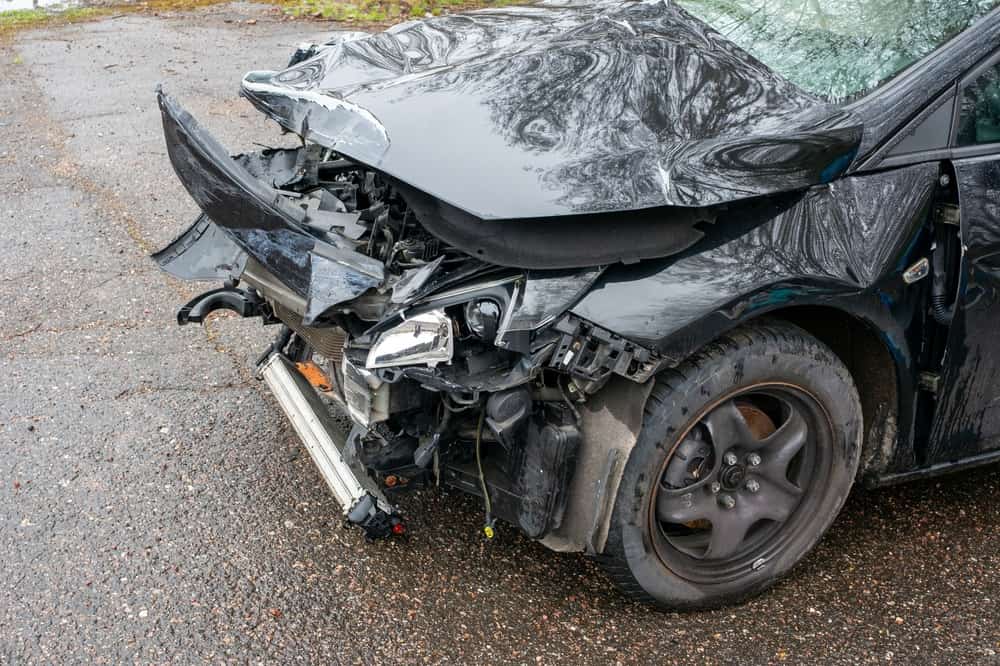
Is Houston One of the Most Dangerous Cities for Car Accidents in Texas?
Yes, by multiple measures. Harris County consistently leads the state in traffic fatalities according to the Texas Department of Transportation crash statistics. The reasons are specific: one of the highest concentrations of uninsured drivers in the state, sudden rainstorms that overwhelm drainage systems within minutes, active construction on every major corridor.
A commuter-heavy population spends more time behind the wheel than residents of most U.S. cities. That combination is measurable in the fatality data.
None of that is abstract when you're trying to recover from a crash. It matters because it means the driver who hit you may have had no insurance at all, or may have had only the minimum that doesn't come close to covering your actual losses.
| High-Risk Corridor | Why It's Dangerous |
| I-45 (Gulf Freeway) | Among the deadliest highways in the U.S.; high speed and heavy volume |
| I-610 / US-59 interchange | Extreme congestion near the firm's Bellaire office; complex lane merges |
| FM 1960 / Westheimer Road | Dense commercial strips; high T-bone and pedestrian exposure |
| I-10 Katy Freeway | Heavy volume, sudden weather changes, feeder-to-highway crash points |
| Beltway 8 | High speeds, truck and car traffic mix, rear-end risk in rain |
What Does the Texas 51% Rule Mean for Your Car Accident Claim?
Texas uses a modified comparative negligence system. Under the Texas Civil Practice and Remedies Code Section 33.001, you can recover damages as long as you were not more than 50% at fault for the accident. Your award is reduced by your percentage of responsibility.
At 51% fault or above, you recover nothing.
Insurance adjusters assign fault percentages strategically. Every percentage point they push onto you is a dollar they don't have to pay. Common tactics include arguing you were tailgating, changed lanes without signaling, or drove too fast for conditions.
Our job is to counter those arguments with evidence, not just negotiate around them.
What a Houston Car Accident Claim Actually Involves
The investigation phase determines whether your claim reaches its actual value. This is where most cases are won or lost, not in court.
Key evidence sources include the official police report, dashcam or traffic camera footage, surveillance video from nearby businesses, witness statements, and physical data from the vehicles themselves. Newer cars store speed, braking, and GPS data that can independently reconstruct what happened.
Medical documentation runs parallel to the investigation. Whiplash, herniated discs, and traumatic brain injuries frequently don't reach their full severity until days or weeks after the crash. The gap between how you felt at the scene and what your doctors confirm over time is where most insurance disputes live.
The sooner your attorney starts building the evidentiary record, the more complete that record will be.
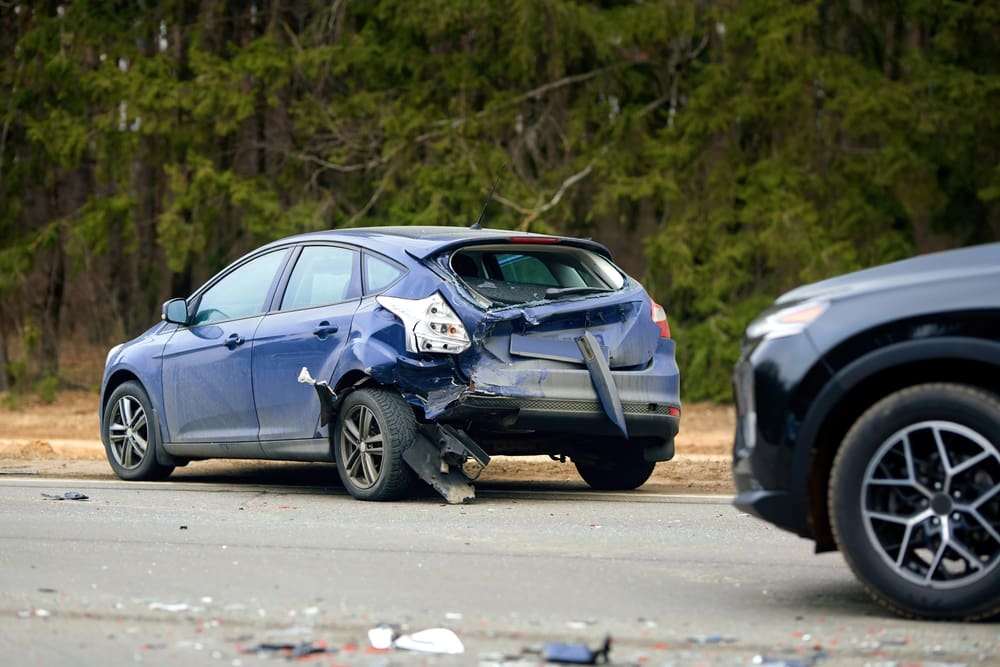
Types of Car Accident Cases We Handle in Houston
Rear-end collisions. The most common crash type in Houston. Insurers routinely undervalue soft-tissue injuries in these cases, claiming low-speed impacts cannot cause serious harm.
The medical evidence typically tells a different story.
Drunk driving crashes, which Harris County sees at among the highest rates in Texas, may also support a claim against the bar or restaurant that overserved the driver under the Texas Dram Shop Act, adding a second defendant with separate insurance coverage.
Commercial vehicle crashes involving delivery trucks, fleet vehicles, or rental cars follow different liability rules than standard auto accidents. The employing company often carries its own separate policy with higher limits than the individual driver would have. Identifying all potentially liable parties early in the investigation phase is critical.
Road-rage incidents and intentional crashes raise distinct questions about whether the at-fault driver's liability policy even covers intentional acts, and whether an umbrella policy applies. These cases require different legal strategy from the start.
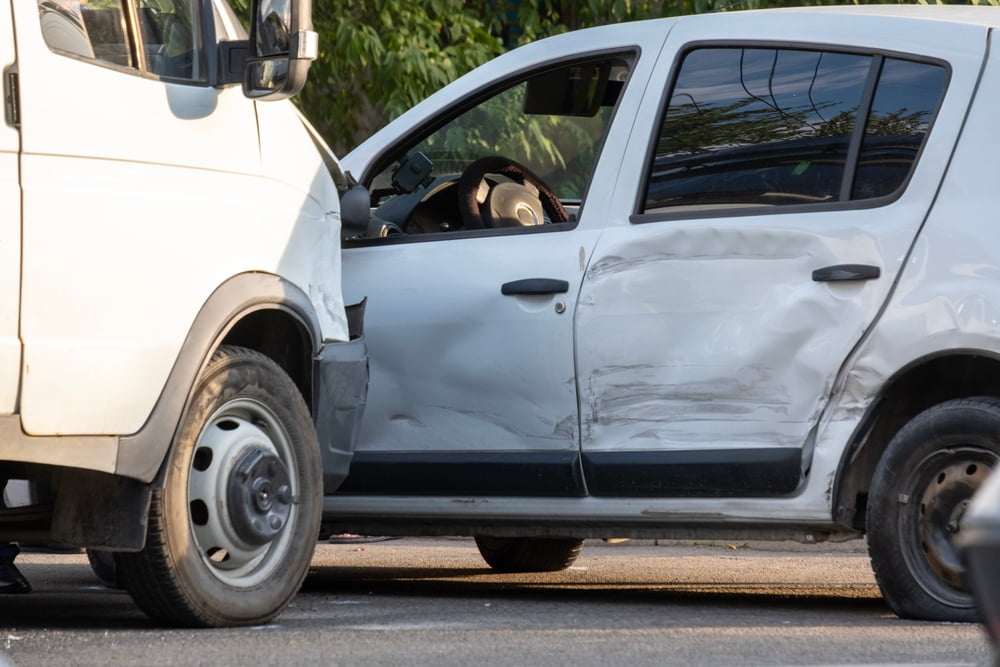
T-bone and intersection crashes. Side impacts are disproportionately dangerous because the doors offer limited protection compared to the front and rear of a vehicle. These cases often turn on disputed right-of-way.
Rideshare accidents (Uber and Lyft). Which insurance applies depends on whether the driver was transporting a passenger, waiting for a match, or offline.
Multi-vehicle pileups. Chain-reaction crashes require reconstructing the exact sequence of impacts to assign fault correctly. Multiple defendants often mean multiple insurance policies, which matters significantly for the total recovery available.
Crashes involving uninsured or underinsured drivers. When the at-fault driver has no insurance or inadequate coverage, your UM/UIM claim runs against your own insurer. These claims have their own dynamics, and your own insurer is not automatically on your side.
Drunk driving crashes. Texas allows punitive damages in cases involving gross negligence, which drunk driving typically satisfies. These cases may also support a claim against the bar or restaurant that overserved the driver.
What Compensation Looks Like After a Houston Car Accident
| Damage Category | What It Covers |
| Medical expenses | ER visits, surgery, rehabilitation, future treatment |
| Lost income | Wages missed during recovery |
| Lost earning capacity | Future income reduced by permanent injury |
| Property damage | Vehicle repair or total loss replacement |
| Pain and suffering | Physical pain and ongoing impact on daily life |
| Mental anguish | Anxiety, PTSD, and emotional effects of the crash |
| Physical impairment | Permanent disability or reduced function |
| Loss of consortium | Spouse's claim for lost companionship and support |
| Punitive damages | Available in extreme cases such as drunk driving crashes |
Texas does not cap economic or non-economic damages in standard car accident cases. Punitive damages are subject to a cap under the Civil Practice and Remedies Code, but they are rarely the primary element in a car accident claim.
What to Do Immediately After a Houston Car Accident
- Call 911. Get a police report number before you leave the scene. Without a report, establishing what happened becomes significantly harder.
- Document the scene. Photograph both vehicles, the surrounding area, skid marks, road conditions, traffic signals, and any visible injuries.
- Collect information. Get the other driver's name, insurance carrier, policy number, and license plate. Get names and phone numbers from any witnesses.
- Don't discuss fault at the scene. Anything you say can be used against you. Don't apologize, and don't speculate about what caused the crash.
- Get medical attention the same day. Even if you feel okay, adrenaline delays pain onset.
Gaps in medical records are treated by insurers as evidence that you weren't really hurt. Call us before you call the other driver's insurance. Once you're represented, we handle all contact with the insurance company.
How the Insurance Company Approaches Your Claim
The adjuster assigned to your case works for the at-fault driver's insurer. Their job is to close your claim for the least possible amount.
The fast call comes first. An adjuster may reach out within 24 to 48 hours, expressing concern and asking for a recorded statement. The goal is to capture something on record before you understand the full scope of your injuries.
The quick offer follows if liability is clear. An early settlement is designed to close your case before medical treatment is complete and before the real picture of future expenses is known. Accepting it waives any future claims.
Blame shifting runs throughout. Every communication is designed to document factors that increase your percentage of fault.
When The Calderon Law Firm takes your case, we handle all insurer contact immediately. That means no more adjusters calling you at home, no recorded statements taken out of context, and no pressure to accept a number before you understand what your claim is worth.
Why Houston Families Bring Car Accident Cases to The Calderon Law Firm
Jose Calderon founded this firm as a trial attorney who prepares every case as if it is going to a jury, because some do. He was named to the National Trial Lawyers Top 40 Under 40 in his second year of practice and has been selected to Texas Super Lawyers Rising Stars every year since 2020, a distinction held by fewer than 2.5% of Texas attorneys.
The firm is fully bilingual. If you communicate better in Spanish, the entire process happens in Spanish from your first call through resolution.
Frequently Asked Questions
What if the driver who hit me has no insurance?
Your uninsured motorist (UM) coverage steps in. Texas law requires insurers to offer UM/UIM coverage under Texas Insurance Code Section 1952.101. Filing a UM claim typically does not raise your own rates.
What is the minimum car insurance in Texas, and why does it matter?
Texas requires 30/60/25 coverage: $30,000 per person, $60,000 per accident, $25,000 for property damage. For a serious injury, this is almost never enough. Your own underinsured motorist (UIM) coverage exists specifically to fill that gap when the other driver's policy runs out.
Who pays my medical bills while my car accident case is pending?
Your own health insurance typically pays first, and may seek reimbursement from your settlement later. MedPay coverage on your auto policy can also pay bills without a fault determination. The at-fault driver's insurer does not pay your ongoing bills while the case is open; they pay when it resolves. Some providers will treat on a lien basis, deferring payment until settlement.
Can I sue if my car had minor damage but I am seriously hurt?
Yes. Modern vehicles absorb impact in ways that protect the car but can still injure the occupants. The value of a personal injury claim is based on medical evidence, not how the bumper looks.
How long do I have to file a lawsuit after a Houston car accident?
Two years from the date of the crash, under the Texas Civil Practice and Remedies Code Section 16.003. Missing this deadline almost always closes the case permanently.
What happens if I was partly at fault for the crash?
You can still recover damages as long as you were not more than 50% responsible. Your award is reduced by your fault percentage. Our job is to make sure that percentage reflects the actual evidence, not the adjuster's version of events.
Will my case go to trial?
Most cases settle before trial. But we prepare every case as if it will go to a jury, and that preparation changes how insurers negotiate. When settlement is not fair, we go to court.
How long does a car accident case take to resolve?
Straightforward cases with clear liability can resolve in three to six months once your treatment stabilizes. Cases with disputed fault, serious injuries, or UM/UIM claims against your own insurer typically take a year or more. We give you a realistic estimate based on the actual facts, not a number designed to make you feel good about signing.
What does a Houston car accident lawyer cost?
Nothing upfront. We work on contingency, meaning our fee is a percentage of what we recover. If we don't recover, you owe nothing in attorney fees.
The Insurance Company Started Working When You Left the Scene
Evidence fades. Adjusters move fast. The sooner you have representation, the sooner your side of the case gets built.
Call The Calderon Law Firm at (346) 999-5673. Free case review, available 24 hours a day. No fee unless we win.