





A crane accident is one of the most catastrophic events that can happen on a Houston construction site. The forces involved are enormous. The injuries are almost always severe. And the radius of harm, whether from a collapsing tower crane, a tipping mobile crane, or a swinging load, can extend well beyond the immediate work zone.
Houston's skyline is built on cranes. The Medical Center, the Energy Corridor, downtown high-rises, refinery expansions, and the Port of Houston all rely on crane operations that carry significant risk when the people and companies responsible cut corners on safety, certification, or maintenance.
The Calderon Law Firm represents crane accident victims in Houston and across the Greater Houston area. Our attorneys handle crane collapse cases, tip-over accidents, rigging failures, load swing injuries, and electrocutions caused by crane contact with power lines. Free case reviews. No fee unless we win.
Call (346) 999-5673 today.
What Causes Crane Accidents in Houston?
Crane accidents on Houston construction sites are rarely "freak accidents." They are typically the result of preventable failures in planning, equipment maintenance, or safety protocols. We investigate these common causes to establish liability:
- Crane Tip-Overs: Usually caused by operating beyond the crane’s rated load capacity, improper outrigger deployment on unstable soil, or swinging loads outside the safe operating radius. Liability rests with operators and site superintendents who skip pre-lift load charts or ground-bearing assessments.
- Crane Collapse and Boom Failure: Often triggered by improper assembly, missing structural pins, or operating in wind conditions exceeding the manufacturer's limits. In Houston, failure to secure cranes before severe weather strikes is a common ground for negligence claims against general contractors.
- Load Swings and Falling Loads: When loads strike structures or fall due to rigging failure, the kinetic energy involved often leads to fatalities. We analyze the chain of control: the operator, the signal person, and the rigging supervisor.
- Power Line Contact: OSHA mandates a minimum 10-foot clearance from energized lines. Failure to de-energize lines or position cranes safely near power infrastructure in Houston’s industrial zones constitutes significant contractor liability.
- Rigging Failure: When slings, hooks, or shackles are worn, incorrectly rated, or poorly attached, a load can drop mid-lift. These cases often involve the rigging contractor or equipment supplier if the hardware was defective or inadequately maintained.
Was your injury caused by a crane failure? Call (346) 999-5673 for a free, expert case review
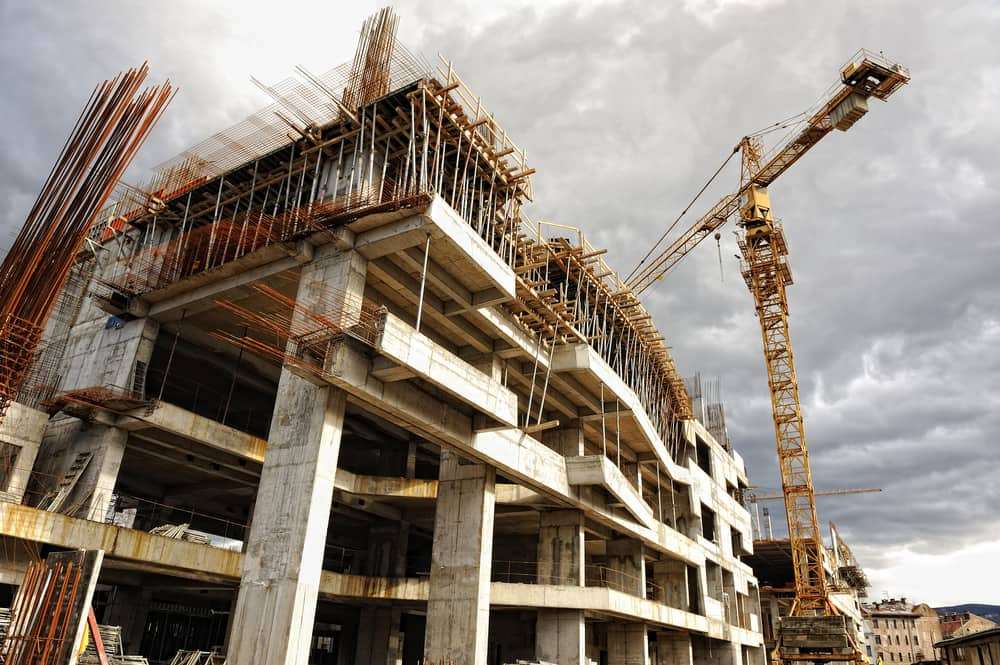
What OSHA Standards Apply to Cranes in Houston?
Federal OSHA maintains a detailed regulatory standard for cranes and derricks used in construction under 29 CFR 1926 Subpart CC. These regulations apply to virtually all cranes operated on construction sites in Houston and throughout Texas.
Subpart CC governs the assembly and disassembly of cranes, which must be performed under the direction of a qualified A/D director. It requires that a qualified rigger attach all rigging, that a signal person who meets specific qualification standards direct crane movement when the operator does not have direct line of sight to the load, and that the crane be inspected before each shift by a competent person.
Subpart CC also requires ground assessment before crane setup, prohibits crane operation when wind speed exceeds the manufacturer's limits, and mandates compliance with the crane's load chart on every lift. When a company violates any of these requirements and an accident results, the violation is direct evidence of negligence.
Do Crane Operators Need to Be Certified in Texas?
Yes. Federal regulations require that crane operators be certified by an accredited crane operator testing organization, such as the National Commission for the Certification of Crane Operators. This requirement has been in effect and fully enforced since November 2018.
Certification requires passing written and practical examinations specific to the type and capacity of crane being operated. An operator certified for a mobile hydraulic crane is not automatically qualified to operate a tower crane.
When a company assigns an uncertified or improperly certified operator to a crane and an accident results, the company has violated a specific federal safety standard, and that violation establishes negligence per se under Texas law.
Employers are required to verify that their crane operators hold valid, current certifications before assigning them to operate a crane. When that verification is not done, the employer shares responsibility for any accident that follows.
Who Is Responsible for a Crane Accident in Houston?
Responsibility for a crane accident rarely falls on a single party. Depending on who owned the crane, who operated it, who erected it, and who oversaw the worksite, liability can attach to the general contractor, the crane operator's employer, the crane rental company, or the crane manufacturer, and in many cases, more than one at the same time.
The General Contractor
The general contractor has overall responsibility for site safety, including the safety of crane operations on their project. A general contractor who directs crane placement near power lines, approves a lift plan with an inadequate ground assessment, or pressures the crane crew to continue operations in weather conditions that exceed safe limits may be liable for an accident that results.
The Crane Operator and Their Employer
The crane operator's employer is responsible for verifying the operator's certification, ensuring the operator is trained on the specific crane being used, providing a pre-shift inspection, and ensuring the operator does not operate the crane when conditions are unsafe.
When an operator error causes an accident, the investigation looks at whether the error reflects inadequate training, fatigue, or pressure from supervisors to keep lifting despite known risks.
The Crane Rental Company
Many of the cranes used on Houston construction sites are rented from crane rental companies rather than owned by the contractor. A crane rental company may be liable when it rents a crane that is not in safe operating condition, fails to disclose known defects or maintenance issues, provides an operator who is not qualified for the specific crane or lift, or fails to provide the crane's current load charts and specifications.
This is a defendant type unique to crane cases. The rental company's maintenance records and inspection history are critical evidence that an attorney requests immediately.
The Crane Manufacturer
When a structural failure results from a defect in the crane itself rather than from operator error or maintenance failure, the manufacturer may be liable under a product liability theory. This includes defective welds in boom sections, faulty safety devices such as load moment indicators, and failures in hydraulic systems that should have prevented overload.
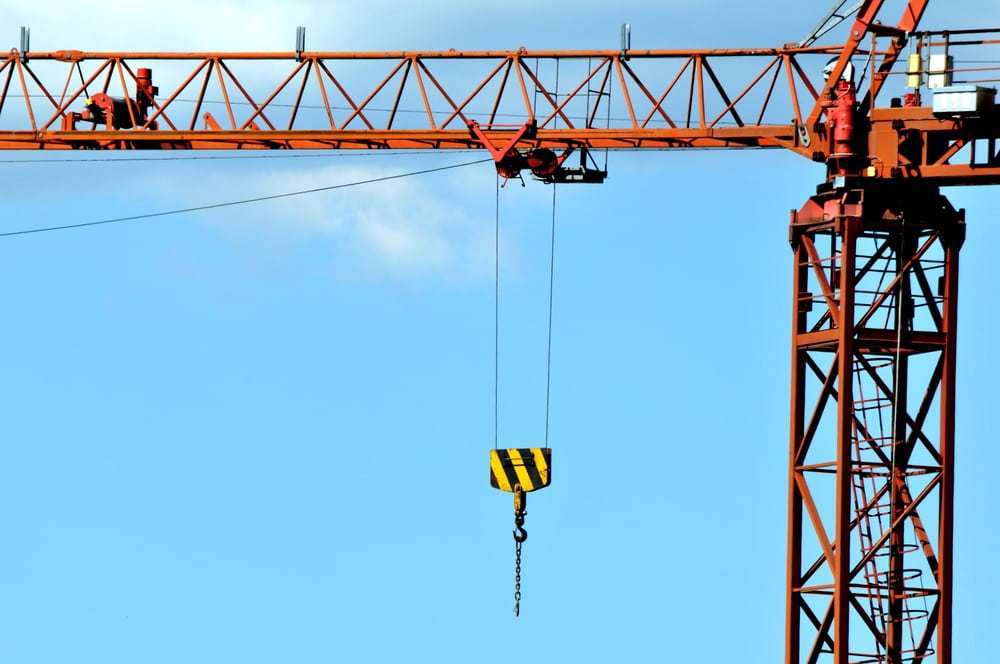
What If You Were Injured by a Crane Load Swing or Falling Materials?
Not every crane accident victim is a construction worker. Houston's active construction environment means that pedestrians, drivers, and workers in adjacent buildings are sometimes in the path of a collapsing crane, a swinging load, or debris dislodged by crane operations.
A bystander injured in a crane accident has a direct personal injury claim against the general contractor, the crane operator's employer, and the crane rental company, independent of any workers' compensation system. Premises liability principles may also apply when the injury occurred in an area that construction companies were responsible for keeping safe.
When a tower crane collapses and causes damage or injury beyond the immediate worksite, the investigation becomes a high-stakes multiparty matter involving the crane manufacturer, the assembly contractor, and the general contractor who authorized the erection location and load.
Call (346) 999-5673 if you or a family member was injured as a bystander near a Houston crane accident.
What Evidence Matters in a Houston Crane Accident Case?
Crane accident investigations are highly time-sensitive. Construction sites change rapidly, and critical evidence, like black box data or site conditions, can be destroyed or modified within days. To build a winning case, we immediately secure the following evidence:
- Crane Telemetry Data: We prioritize the retrieval of "black box" data from the Load Moment Indicator (LMI)and onboard monitoring systems to analyze speed, load weight, and boom angle at the moment of failure.
- Site and Setup Documentation: We document ground bearing conditions and outrigger placement before the site is disturbed.
- Operational Records: We obtain the pre-shift inspection logs, the specific lift plan, the operator’s certifications, and the maintenance history provided by the crane rental company.
- Environmental and Human Factors: We secure weather monitoring reports, rigging communication logs, and witness statements from the signal person and the rigging crew.
- Regulatory Findings: We track all OSHA investigation records and citations, which serve as foundational evidence of safety protocol failures.
- Proactive Legal Action: Upon retention, we immediately issue formal evidence preservation demands to all involved contractors and property owners. We also retain independent crane engineers and accident reconstruction specialists to document the physical scene before repairs or dismantling can compromise your claim.
Ask The Calderon Law Firm
Q: The crane rental company says the contractor is responsible. The contractor says it was operator error. They're all pointing at each other. What do I do?
A: This is the most common defensive posture in crane accident cases. Each party points to the other hoping the injured person cannot sort out who is ultimately responsible. An attorney does not accept that framing. In many cases, multiple parties share liability. The goal is to identify every responsible party and pursue each, regardless of how the blame is being deflected.
Q: I was working on the ground when a crane load swung and struck me. My employer is not the crane operator's employer. Can I sue?
A: Yes. When a third party whose negligence contributed to your injury is someone other than your own employer, you have a direct personal injury claim against that party independent of any workers' compensation claim. If your own employer has workers' comp, you collect from workers' comp for the covered portion. The crane operator's employer, the crane rental company, and the general contractor are all potential defendants in a third-party lawsuit.
Q: The crane was operating in high winds. The operator said he was told to keep working. Is the general contractor liable?
A: Potentially yes. OSHA's crane standards require that crane operations cease when wind conditions exceed the manufacturer's specified limits for that crane. When the general contractor's supervisor or site superintendent directs or pressures a crane operator to keep working in conditions that exceed those limits, and an accident results, the general contractor bears responsibility for that decision.
Q: My family member died in a crane accident in Houston. What are our options?
A: Texas wrongful death law allows the surviving spouse, children, and parents of a person who died because of another's negligence to pursue a civil claim for damages. Those damages include the financial support the deceased provided and would have continued to provide, the loss of companionship and care, the mental anguish suffered by the survivors, and the medical expenses and pain the deceased experienced before death.
Why Houston Workers Trust The Calderon Law Firm for Crane Accident Cases
Crane accident cases are high-stakes litigation. The companies involved have substantial resources and experienced defense teams. A crane accident victim needs a law firm that brings the same level of preparation.
The Calderon Law Firm has recovered more than $214 million for Texas injury victims and their families. More than 5,000 Texas families have trusted us. Jose Calderon built this firm to represent working people in Houston who face corporations and insurance companies with far more resources.
Our team acts quickly, preserves evidence, retains the right experts, and builds the case with the detail and depth these complex matters require.
We work on a contingency fee basis. No fees unless we win. Free case reviews available around the clock.
If you or a family member was injured in a crane accident in Houston, call (346) 999-5673. Se habla español.
Frequently Asked Questions About Crane Accident Claims in Houston
What is the statute of limitations for a crane accident case in Texas?
Two years from the date of the accident under Texas Civil Practice and Remedies Code Section 16.003. For wrongful death cases, the two-year period runs from the date of death. For claims against government entities, the deadline may be shorter and requires a formal pre-suit notice. Do not wait to consult an attorney. The physical evidence in crane accident cases, including the crane itself, the ground conditions, and monitoring data, deteriorates or disappears quickly after the accident.
Do I need a crane accident expert to win my case?
In almost every crane accident case, yes. Crane accidents involve technical questions about load calculations, ground bearing capacity, wind load, certification requirements, rigging standards, and structural failure analysis that require expert testimony to explain to a jury. The Calderon Law Firm retains crane engineers, accident reconstruction specialists, and occupational safety experts when the case requires it.
What if the crane operator died in the accident along with other workers?
Crane accident fatalities sometimes include the operator along with ground workers. When the operator also died, the investigation must still determine what caused the accident, whether negligence by the employer, the rental company, the general contractor, or the manufacturer contributed, and which surviving parties are responsible. The operator's death does not eliminate the other responsible parties' liability.
Can I file a claim if I was injured while assembling or disassembling a crane?
Yes. OSHA's Subpart CC specifically regulates crane assembly and disassembly and requires a qualified A/D director to supervise these operations. Assembly and disassembly are among the most dangerous phases of crane use. Falls, structural failures during erection, and component failures during disassembly are all covered by the same third-party liability framework as accidents during active crane operation. An attorney evaluates who supervised the assembly or disassembly and whether the required qualifications and procedures were followed.
Talk to a Houston Crane Accident Lawyer at The Calderon Law Firm

Crane accidents change lives. The injuries are severe. The legal cases are complex. And the companies responsible have teams in place to protect themselves from the moment the accident happens.
The Calderon Law Firm moves faster. Free case review. No fee unless we win. Available 24/7.
Call (346) 999-5673 or contact us online.
6750 W Loop S #920, Bellaire, TX 77401 | (346) 999-5673 | Se habla español.