





A collision involving an Uber or Lyft driver is not a standard car accident case. The insurance coverage that applies depends entirely on what the driver was doing in the app at the exact moment of the crash.
That single detail, the app status, determines whether you are dealing with the driver's personal auto insurance, Uber or Lyft's contingent liability coverage, or Uber or Lyft's full commercial policy. Getting it wrong from the start costs victims significant compensation.
The Calderon Law Firm handles rideshare accident cases across Texas. We know how to identify which coverage applies, how to document it immediately, and how to pursue the full value of your claim. More than 5,000 Texas families have trusted us. We have recovered more than $214 million. Free case reviews. No fee unless we win.
Call (346) 999-5673 today.
Why Are Rideshare Accident Claims More Complicated Than Regular Car Accidents?
Rideshare accidents involve multiple potential insurance sources layered on top of each other, a corporate defendant with enormous legal resources, and an independent contractor relationship that Uber and Lyft use to limit their own exposure.
Understanding which layer applies, in what amount, and who to pursue first requires legal knowledge specific to rideshare litigation. An attorney who has handled these cases knows exactly what documentation to preserve and what arguments the companies will make.
Are Uber and Lyft Drivers Employees or Independent Contractors?
Uber and Lyft classify their drivers as independent contractors, not employees. This classification is intentional and has significant legal implications.
Because drivers are contractors, Uber and Lyft argue that they are not vicariously liable for their drivers' negligence the way an employer would be. Instead, their liability flows through the insurance coverage they provide at each app status period. An attorney challenges that framing when the facts support it and pursues every available source of compensation.
What Texas Law Governs Rideshare Companies?
Texas regulates Uber, Lyft, and similar companies as Transportation Network Companies, or TNCs, under Texas Occupations Code Chapter 2402. This law requires TNCs to maintain specific minimum insurance coverage at each period of a trip.
Understanding the TNC statute is essential to knowing what coverage is legally available and when.
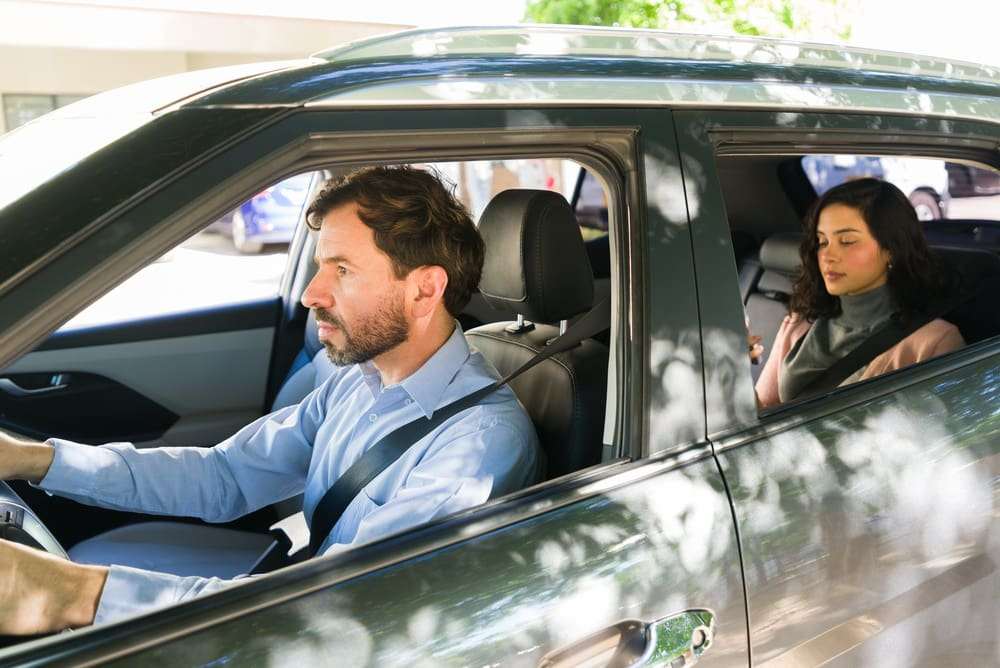
What Are the Rideshare App Status Periods and Why Do They Matter?
The app status at the moment of the crash is the single most important fact in a rideshare accident case. It determines whose insurance pays and how much is available.
What Is Period 0 (App Off)?
When the driver has the Uber or Lyft app turned off entirely, they are operating as a private citizen. Their personal auto insurance applies to any accident they cause. Uber and Lyft's insurance does not apply at all.
If the driver's personal insurance is insufficient or if the driver is uninsured, the victim's own uninsured motorist coverage may be the only other source of compensation.
What Is Period 1 (App On, No Ride Accepted)?
Period 1 begins when the driver activates the app and is available to accept rides, but has not yet accepted a specific request. This is where many victims are surprised.
During Period 1, Uber and Lyft provide contingent liability coverage with limits of $50,000 per person and $100,000 per accident for bodily injury, and $25,000 for property damage. This coverage applies only if the driver's personal insurance does not cover the claim or is insufficient.
What Is Period 2 (Ride Accepted, En Route to Pickup)?
Period 2 begins when the driver accepts a ride request and is driving toward the passenger's pickup location. At this point, Uber and Lyft's full commercial insurance policy applies with limits of at least $1 million per occurrence.
What Is Period 3 (Passenger In the Vehicle)?
Period 3 covers the trip itself, from when the passenger enters the vehicle until they are dropped off. Uber and Lyft's $1 million commercial policy continues to apply during this period.
Victims injured as passengers during Period 3 have access to that full policy. An attorney confirms the trip records to establish that the driver was in Period 3 at the time of the crash.
Call (346) 999-5673 to discuss which period applied in your accident.
Who Can Be Injured in a Rideshare Accident in Texas?
Rideshare accidents injure a wider range of people than standard car crashes. The Calderon Law Firm represents all of them.
Rideshare Passengers
Passengers riding in an Uber or Lyft are typically covered by the app's full $1 million policy during the trip. Their claim runs against the rideshare company's commercial insurer. An attorney documents the trip records immediately to establish the coverage period.
Drivers and Passengers in Other Vehicles
When an Uber or Lyft driver causes a collision with another vehicle, the occupants of that vehicle have a claim against the rideshare driver and, depending on the app status, against the rideshare company's insurance. The app status documentation is just as critical for these victims.
Pedestrians and Cyclists
Pedestrians and cyclists struck by a rideshare driver have the same claim structure as occupants of other vehicles. The app status at the time of the collision determines the available coverage.
Rideshare Drivers Injured by Other Drivers
A rideshare driver injured by another motorist while working has a personal injury claim against that driver. Depending on the app status and the other driver's coverage, uninsured motorist coverage through their personal policy or through the app may also apply.
What Should You Do at the Scene of a Rideshare Accident?
The steps you take in the minutes after a rideshare collision directly affect your claim. Some of these steps are specific to rideshare cases and are easy to miss.
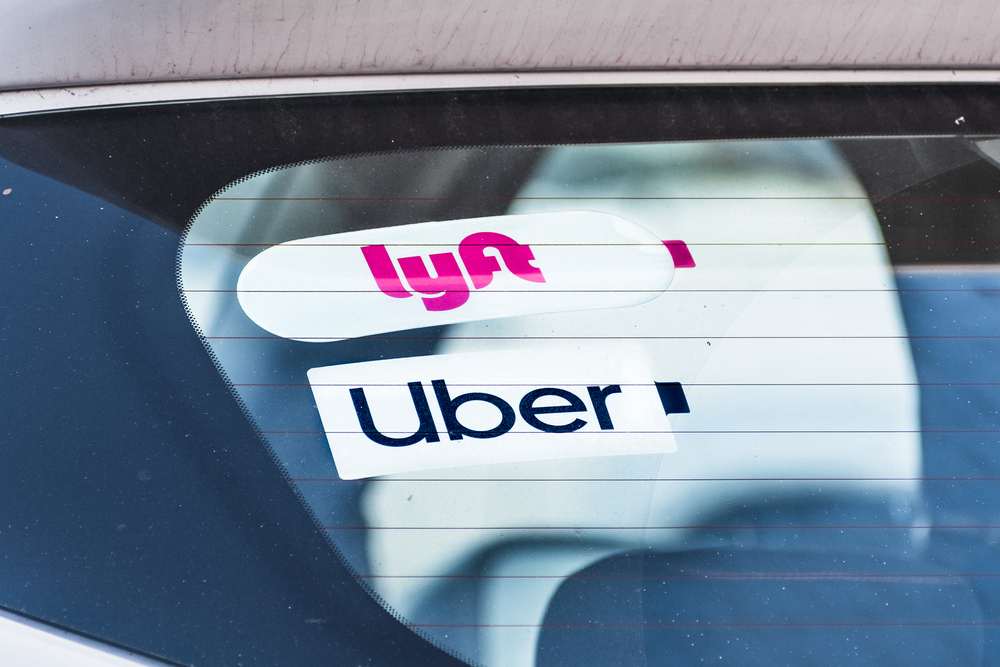
Screenshot the Uber or Lyft app immediately. The app shows the driver's name, rating, vehicle information, and the trip status at the time of the crash. That screen can disappear if the trip is canceled or modified. Screenshot it before anything else.
Call the police. A police report documents the accident, identifies the driver, and establishes the timeline. Request the report number at the scene.
Seek medical attention the same day. Gaps in treatment are one of the most common ways rideshare insurers reduce claims. Even if you feel fine, get evaluated.
Do not discuss fault with the Uber or Lyft driver, with anyone from the rideshare company, or with any insurance adjuster before speaking with an attorney.
Call The Calderon Law Firm at (346) 999-5673 before giving any statement to any insurance company.
How Does Proportionate Responsibility Apply in Texas Rideshare Cases?
Texas uses a proportionate responsibility system that allows an injured person to recover as long as their share of fault is 50% or less. A rideshare accident may involve the rideshare driver, another driver, and in some cases a government entity responsible for road conditions.
When multiple parties are at fault, each bears responsibility for their proportional share. An attorney investigates every contributing cause and identifies every responsible party, not just the rideshare driver.
What If the Rideshare Driver Was Partly at Fault and So Was Another Driver?
Both drivers can be pursued simultaneously. An attorney files claims against both the rideshare company's insurer and the other driver's insurer, managing both claims in parallel to recover the full compensation available.
What About Delivery App Accidents in Texas?
Delivery drivers for apps like DoorDash, Amazon Flex, Instacart, and Uber Eats are involved in accidents across Texas every day. The legal framework for delivery app accidents shares similarities with rideshare cases but has important differences.
Like Uber and Lyft, delivery apps classify their drivers as independent contractors. Coverage depends on whether the driver was actively on a delivery assignment or between deliveries when the accident occurred.
Does the Delivery App's Insurance Cover the Accident?
It depends on the app and the driver's status at the time. DoorDash, for example, maintains a commercial auto policy that applies while the driver is on an active delivery. Between deliveries, the driver's personal insurance is the primary source of coverage.
An attorney requests the driver's assignment records from the app to establish exactly what coverage applies. These records can be difficult to obtain without legal process.
What Compensation Can You Recover After a Texas Rideshare Accident?
The compensation available in a rideshare accident case is the same as in any serious personal injury case, subject to the applicable policy limits.
Recoverable damages include medical expenses both past and future, lost wages during recovery, reduced future earning capacity for permanent injuries, pain and suffering, emotional distress, and property damage. When the rideshare driver's conduct was particularly reckless, exemplary damages may also be available.
The $1 million commercial policy available during Periods 2 and 3 provides meaningful coverage for serious injuries. An attorney pursues the full value of the claim and does not settle for less than the case is worth.
Ask The Calderon Law Firm
Q: The Uber app was on but the driver had not accepted my request yet when they hit me. Which insurance covers that?
A: That is Period 1 coverage. During Period 1, Uber's contingent liability coverage applies with limits of $50,000 per person for bodily injury. This coverage is contingent, meaning it only kicks in if the driver's personal auto insurance does not apply or is insufficient. An attorney requests the driver's app records and personal insurance information immediately to determine which source pays and in what order.
Q: I was a passenger in an Uber and the driver caused a serious accident. Uber's claims team called me the same day. Should I talk to them?
A: No, not without an attorney present. Uber's claims team represents Uber's interests, not yours. They are trained to ask questions that can limit the value of your claim, including questions about pre-existing conditions and whether you sought medical attention. Speak with an attorney before saying anything beyond confirming that the accident occurred. Call (346) 999-5673 now.
Q: My Lyft driver was speeding when they rear-ended another car and I was injured as a passenger. The other driver is also claiming damages. Does that affect my claim?
A: Your claim as a passenger is separate from the other driver's claim. Both of you have claims against Lyft's commercial insurer for the trip period. Lyft's $1 million policy has to address both claims, but that is a coverage dispute between the insurers, not something that reduces your individual right to recover. An attorney manages your claim independently of the other driver's claim.
Q: The Uber driver said the app glitched and was technically off when the accident happened, even though they were clearly working. What do I do?
A: The driver's account of the app status is not determinative. Uber maintains trip records, GPS data, and app logs that independently document whether the app was active. An attorney sends a legal preservation demand to Uber immediately to secure those records before they are overwritten. If the records show the driver was logged in and available, the coverage applies regardless of what the driver claims.
Why Texas Accident Victims Trust The Calderon Law Firm for Rideshare Cases
Rideshare cases require moving fast and knowing exactly what to request. Trip records, app logs, GPS data, and driver assignment records must be preserved immediately or they are gone.
Jose Calderon and our team have the experience to manage rideshare claims at every coverage period, against Uber's and Lyft's insurers, and against every other party who contributed to the accident. We handle cases across Texas, in English and Spanish, and we do not charge fees unless we recover compensation for you.
More than 5,000 Texas families have trusted us. We have recovered more than $214 million. No fee unless we win. Available 24/7.
Call (346) 999-5673 for a free case review. Se habla español.
Frequently Asked Questions About Rideshare Accident Claims in Texas
How long do I have to file a rideshare accident claim in Texas?
Two years from the date of the accident, under Texas Civil Practice and Remedies Code Section 16.003. But the practical deadline for preserving digital evidence is much shorter. Uber and Lyft overwrite trip data and GPS logs on their own retention schedules. An attorney sends preservation demands within days of being retained.
Does Texas law require Uber and Lyft to carry insurance?
Yes. Under Texas Occupations Code Chapter 2402, Transportation Network Companies operating in Texas must maintain insurance at minimum levels during each period of a trip. The statute sets the minimum coverage amounts for Periods 1, 2, and 3. Uber and Lyft typically carry policies that meet or exceed those minimums.
Can I file a claim if I was injured by a rideshare driver who was not on an active trip?
Yes, but the claim runs against the driver's personal auto insurance, not Uber or Lyft's commercial policy. If the driver was logged out of the app entirely, Uber and Lyft bear no insurance responsibility for that accident. An attorney confirms the app status through the company's records before advising on which insurer to pursue.
What if the rideshare driver did not have a valid driver's license?
An unlicensed driver working as an Uber or Lyft driver may expose the company to additional liability beyond the commercial insurance policy, depending on whether Uber or Lyft conducted adequate background screening. An attorney investigates the driver's licensing status and the company's screening records as part of the case.
Talk to a Texas Rideshare Accident Lawyer at The Calderon Law Firm

A rideshare accident is already confusing. The insurance layers, the app company's claims process, and the independent contractor defense make it more so.
The Calderon Law Firm cuts through that complexity. Free case review. No fee unless we win. Available 24/7.
Call (346) 999-5673 or contact us online.
6750 W Loop S #920, Bellaire, TX 77401 | (346) 999-5673 | Se habla español.