Third-party liability for a work injury in Texas is less about identifying a defendant than about understanding how the recovery gets split once you have one. Workers' compensation subrogation, comparative apportionment, and responsible third party designations each move money before it reaches you. What follows covers those mechanics, the statutes behind them, and the choices that determine your net recovery.
Key Takeaways About Third-Party Work Injury Claims in Texas
- A third-party lawsuit runs alongside workers' compensation, not instead of it, and may recover pain and full wage loss that comp does not pay.
- The comp carrier generally holds a subrogation right to be reimbursed from your recovery under Texas Labor Code Chapter 417.
- Texas apportions responsibility among all parties, and a claimant more than 50% at fault recovers nothing.
- Employers who carry no comp coverage lose their usual defenses under Labor Code Section 406.033.
- Most of these suits must be filed within two years, and settling one claim can affect the others.
Who Else Can Be Held Responsible for a Workplace Injury in Houston Besides Your Employer?
General contractors, property owners, equipment manufacturers, subcontractors, and negligent drivers can all be sued directly, even when workers' compensation already covers the same injury. What matters most is how the money divides afterward, because the comp carrier holds a reimbursement right and Texas apportions fault among every responsible party. A lawyer can map out who pays and what you keep.
Key Statutes and Official Sources That Govern These Claims
Three sources control how a third-party work injury claim is valued and divided in Texas.
- Texas Labor Code Chapter 417 creates the workers' compensation subrogation right, sets the carrier's first-money position, and provides the attorney fee framework that reduces it.
- Texas Civil Practice and Remedies Code Chapter 33 governs proportionate responsibility, the 50% bar, and the designation of responsible third parties.
- The Texas Division of Workers' Compensation maintains coverage records, which determine whether your employer is a subscriber and therefore whether a suit against it is even possible.
Which Parties Actually Carry Exposure?
Each potential defendant carries a different policy and a different theory of liability, which is why identifying all of them matters more than finding the most obvious one.
General contractors and site controllers
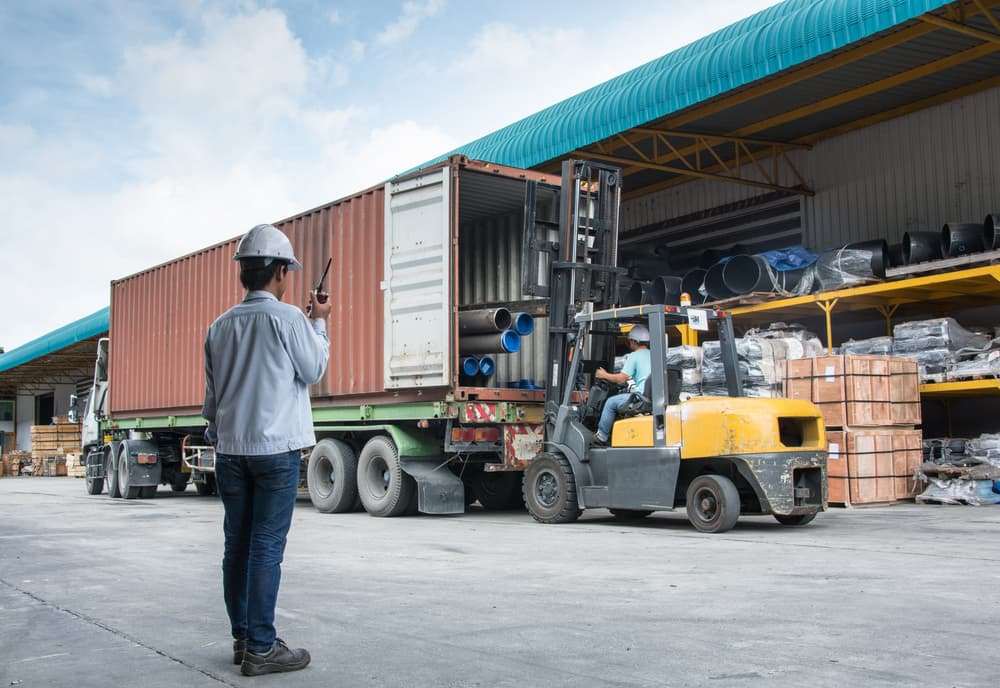
Liability turns on control. A general that set the schedule, ran the safety program, and held authority to stop work may be responsible for site conditions even though it did not employ you.
Property and premises owners
Texas limits these suits. Under Chapter 95 of the Civil Practice and Remedies Code, an owner is generally not liable to a contractor's employee unless it both controlled the work and had actual knowledge of the danger. Refinery and plant owners that direct energization schedules or supply equipment often meet that test.
Equipment manufacturers and maintenance companies
A product claim does not require anyone at your job site to have been careless. When a forklift manufacturer's defect caused your accident, a product liability claim may be available regardless of how your employer behaved.
Subcontractors and other trades
Electrical contractors who failed to follow safety codes may be liable third parties, as may any trade whose work created the hazard that injured you. Houston electrical accidents frequently involve a contractor other than the injured worker's employer.
How Does Workers' Compensation Subrogation Divide the Money?
The comp carrier generally has a right to be reimbursed from your third-party recovery for the medical and income benefits it paid. That reimbursement typically comes out first, before you receive anything.
Chapter 417 softens this in two ways. The carrier's recovery is reduced by a share of the attorney's fees and expenses that produced it, and any amount recovered above the carrier's interest belongs to the injured worker as an advance against future benefits.
The practical consequence surprises people. A $150,000 settlement in a case where comp paid $90,000 in benefits may net far less than the number suggests, and the difference is determined by how the lien is negotiated rather than by the size of the settlement.
Timing matters too. Settling without notifying the carrier can create problems with future benefits, and settling below the lien amount without an agreement can leave you owing money out of a recovery you already spent.
How Does Texas Divide Fault Among Multiple Parties?
Chapter 33 assigns a percentage of responsibility to each party the jury considers, including the injured worker. Your recovery is reduced by your own percentage, and a claimant found more than 50% responsible recovers nothing at all.
The rule that catches claimants is the responsible third party designation. A defendant may formally designate another party as responsible, including your own employer, which puts that party's percentage in front of the jury even when it cannot be sued directly.
That designation does not create a recovery against your employer. What it does is move a share of the fault onto a party that will never write a check, reducing what the defendants who can pay actually owe.
Anticipating those designations is part of building the case. It affects which defendants get named, what evidence gets developed, and how a settlement with one party affects the rest.
What If Your Employer Carries No Workers' Compensation Coverage?
Texas is the only state where private employers may decline coverage entirely, and roughly a quarter of private employers do. These non-subscribers may be sued directly for negligence.
The advantage is substantial. Under Labor Code Section 406.033, a non-subscribing employer may not argue that the worker was contributorily negligent, that a coworker caused the injury, or that the worker assumed the risk of the job.
There is also no subrogation lien in these cases, because no carrier paid benefits. That combination frequently makes a non-subscriber claim the most valuable route available, and confirming coverage status is the first thing worth checking.
How Does the Order of Settlements Change Your Recovery?
Sequence matters as much as amount in a multi-defendant work injury case, and it is the part most claimants never see coming.
Settling with one defendant early can reduce what the remaining defendants owe, because Texas allows a credit or offset for amounts already recovered. It can also eliminate a party whose fault percentage you needed at trial to keep your own share below the 50% bar.
There is also a practical problem with liens. A partial settlement may trigger the comp carrier's reimbursement right before the rest of the case resolves, leaving you with nothing in hand while the remaining claims continue.
The defense understands this dynamic well, which is why the first offer in these cases often comes from the defendant with the smallest exposure. Accepting it can feel like progress and quietly damage everything after it.
Which Damages Are Available Only Through a Third-Party Claim?
Workers' compensation pays medical treatment and partial wage replacement. A third-party lawsuit reaches categories comp does not touch at all.
| Category | Workers' compensation | Third-party lawsuit |
| Medical care | Covered, network rules apply | Past and future, at full value |
| Lost income | Partial replacement | Full past and future earnings |
| Lost earning capacity | Limited | Available |
| Physical pain | Not paid | Available |
| Mental anguish | Not paid | Available |
| Physical impairment | Limited by schedule | Available |
| Disfigurement | Not paid | Available |
| Loss of consortium for spouse | Not paid | Available |
For a worker with a permanent injury, the categories in the right column frequently exceed the entire value of the benefits claim. That is the reason these suits are worth the years they take, and the reason employers and carriers work to keep injured workers inside the benefits system.

Practical Steps That Protect a Third-Party Claim
Many injured workers find it helpful to identify every company present at the site before anyone reorganizes the job.
That usually means writing down the names on the trucks, hard hats, and hi-vis vests, keeping any site sign-in sheet or badge, photographing the equipment and its data plate including serial and model numbers, and noting who ran the morning safety meeting. Paystubs and the employer's legal name matter as well, since staffing agency placements often involve two separate companies.
Requests to sign anything are worth pausing on. Releases, incident report addenda, and advance payment receipts can affect claims against parties nobody has identified yet.
Third-Party Work Injury Questions Answered by Attorneys
Can I be sued or countersued by the company I file against?
Direct counterclaims against injured workers are uncommon, though a defendant may seek contribution from other parties and may designate your employer as responsible. What happens more often is an aggressive fault argument rather than a countersuit. Property damage claims, such as a damaged piece of equipment, are occasionally raised as leverage and rarely go anywhere.
Does filing a lawsuit put my workers' compensation benefits at risk?
Pursuing a third party does not forfeit comp benefits, and the two proceed together. What can go wrong is procedural. Settling the third-party case without addressing the carrier's interest may suspend future benefits until the advance is exhausted, which is a manageable outcome only if it was planned for.
What if the responsible company has gone out of business?
Dissolution does not always end a claim. Insurance policies in effect at the time of the injury may still respond, successor entities may carry liability, and a parent company may have exposure depending on how the operation was structured. Locating the coverage is often more productive than locating the company.
How does a union grievance or safety complaint affect the case?
Internal grievances and OSHA complaints run on separate tracks and neither substitutes for a claim. Documentation from either can be useful evidence, particularly a complaint filed before the injury that identified the same hazard. Retaliation for filing either one may create an additional claim.
Can my spouse bring a claim of their own?
Sometimes. Texas recognizes loss of consortium and loss of household services claims for a spouse in serious injury cases, and those are separate from your claim rather than part of it. They are not available through workers' compensation at all, which is another category that exists only on the third-party side. Whether the claim is worth asserting depends on the severity and permanence of the injury.
Is it worth pursuing if my injury was not catastrophic?
Sometimes. The calculus depends on the subrogation lien, the fault picture, and whether pain and full wage loss add enough above what comp already paid. A claim that nets little after reimbursement may not be worth the years it takes, and a firm should tell you that plainly rather than filing it anyway.
What If More Than One Worker Was Hurt in the Same Incident?
Multi-plaintiff incidents change the strategy. An explosion, a collapse, or a vehicle strike that injures several workers means the same defendants face several claims against the same policy limits.
That creates a race in practice, because a policy that covers three catastrophic injuries may not cover all of them fully. Early filing and early evaluation matter more than usual.
It also creates an advantage. Evidence developed for one worker's case supports the others, and consistent testimony from multiple injured workers is harder for a defendant to characterize as one person's version of events.
The Settlement Number Is Not the Number You Keep
That is the part nobody explains at the beginning. Between the comp lien, the apportionment of fault, and a defendant pointing at a party that will never pay, a recovery can shrink by half before it reaches the person who was injured.
Which means the sequence matters as much as the amount. Who gets named, what order claims settle in, and whether the lien is negotiated before or after the ink dries all change the outcome.
A Texas work injury lawyer can evaluate whether a third-party claim is available in your case and what it would realistically leave you with. Consultations are free, in English or Spanish, with no fee unless we recover. Call (346) 999-5673 or reach us online.