





Losing a hand, foot, arm, leg, or even part of a finger changes almost every part of daily life, from getting dressed to earning a living. An amputation lawyer at The Calderon Law Firm can hold the responsible driver, company, or equipment maker accountable and build a claim around the care you will need for decades, not just the bills from the first few months.
You can talk with us in English or Spanish, the first consultation is free, and if we take your case, there is nothing to pay up front. Talk with a Houston amputation lawyer on our team today at +1 (346) 999-5673.
What Is a Traumatic Amputation Claim?
A traumatic amputation claim is a personal injury claim for the loss of a body part caused by someone else's carelessness. The loss can happen at the scene of an accident or later, when surgeons have to remove a limb that was too badly damaged to save.
Both situations can support a claim. What matters is whether the accident that started the chain of events was caused by another person or company.
Arm Loss Versus Leg Loss
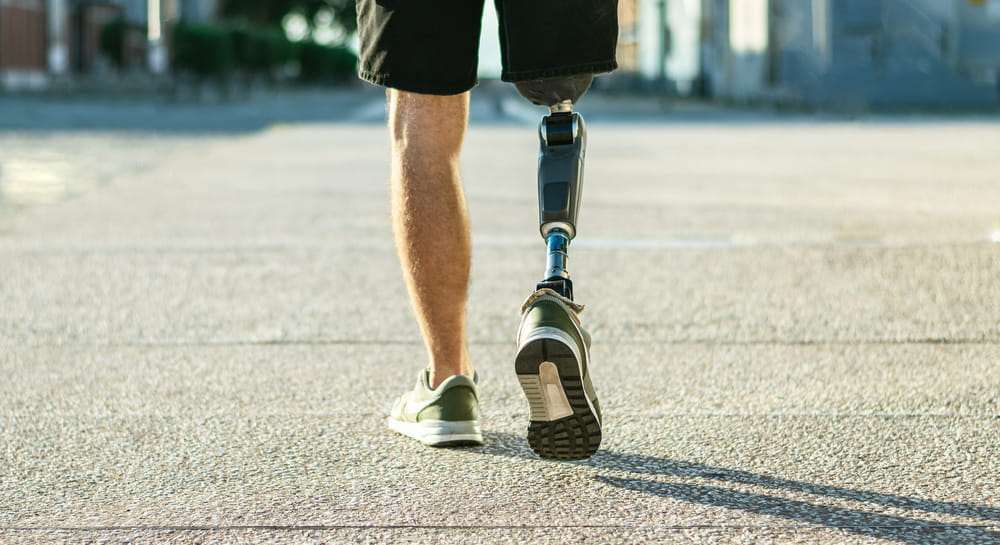
Upper-limb and lower-limb amputations create different challenges, and a claim should reflect the specific loss. Losing a hand or arm affects fine tasks like writing, cooking, and using tools, and upper-limb prostheses can be complex to control. Leg and foot amputations affect balance, walking, and standing at work, and they often strain the back, hips, and the other leg over time.
Your job, your hobbies, and which side was your dominant hand all matter. Two people with the same amputation can face very different futures.
Partial and Fingertip Amputations Count Too
Not every amputation involves a full arm or leg. Federal workplace rules treat the traumatic loss of a fingertip as an amputation, with or without bone loss, under the Occupational Safety and Health Administration (OSHA) reporting regulation. For a mechanic, electrician, cook, or musician, losing part of a finger can end a career, and a claim should reflect that.
How Do Amputation Injuries Happen?
Amputations usually follow high-energy accidents, where the force involved is far more than the human body can absorb. In Houston, we see them come from:
- Motorcycle and pedestrian crashes, where a limb takes the full impact of a vehicle
- Truck and car accidents, especially when a vehicle is crushed or a limb is trapped
- Industrial machinery, such as presses, conveyors, and saws without proper guards
- Electrical injuries, when burns destroy tissue beyond repair
- Defective products, including power tools and equipment with a known design flaw
- Severe infections after an injury, when damaged tissue cannot recover
In the Houston area, that can mean a motorcycle crash on I-45, a pedestrian struck along the 610 Loop, or a worker hurt at a plant along the Houston Ship Channel. The setting changes who is responsible and which insurance applies, so the first step is always pinning down exactly how and where it happened.
Losing a Limb Days After the Accident
Some people leave the scene with a limb still attached, only to lose it after a week of surgeries, a severe infection, or failed blood flow repair. The insurer may argue the later surgery was a separate medical problem.
Hospital records, the treating surgeon's explanation, and a timeline of the injury and treatment can help establish whether the accident led to the later amputation. The medical evidence must connect the accident to the need for surgery; timing alone does not prove that connection.
How Does the Level of Amputation Affect Recovery?
The level of an amputation, meaning where on the limb it happened, shapes the prosthesis you will use, the therapy you will need, and the cost of both. Doctors try to save as much of the limb as they safely can, because every joint that remains makes daily life easier.
In general terms:
- Finger and partial hand amputations affect grip and fine motor skills and may call for custom partial-hand devices.
- Below-elbow and above-elbow amputations may use body-powered prostheses or myoelectric ones, which are battery-powered arms controlled by signals from the remaining muscles.
- Below-knee amputations keep the natural knee, which usually makes walking with a prosthesis easier.
- Above-knee amputations require a prosthetic knee, and walking generally takes more energy and training.
A claim should be built around your specific level of loss and the devices your doctors and prosthetist recommend, not around a generic estimate.
What Should Happen Right After a Traumatic Amputation?
The first priority after a traumatic amputation is stopping the bleeding and getting emergency care. If a body part was severed, MedlinePlus advises wrapping it in a clean, damp cloth, sealing it in a plastic bag, and keeping that bag in ice water, never directly on ice, so surgeons have a better chance to reattach it.
Once the medical emergency is under control, a few steps protect the legal claim:
- Ask a family member to save the names of witnesses and the responding officers
- Keep the clothing, gloves, or boots you were wearing, since they can show how the injury happened
- Write down any statements the other driver, supervisor, or company made at the scene
- Hold off on recorded statements to any insurer until you have legal advice
- Keep every bill, receipt, and work note, even ones that seem minor
If you are still in the hospital, a family member can call us and start the conversation for you.
Getting the Right Medical Team Early
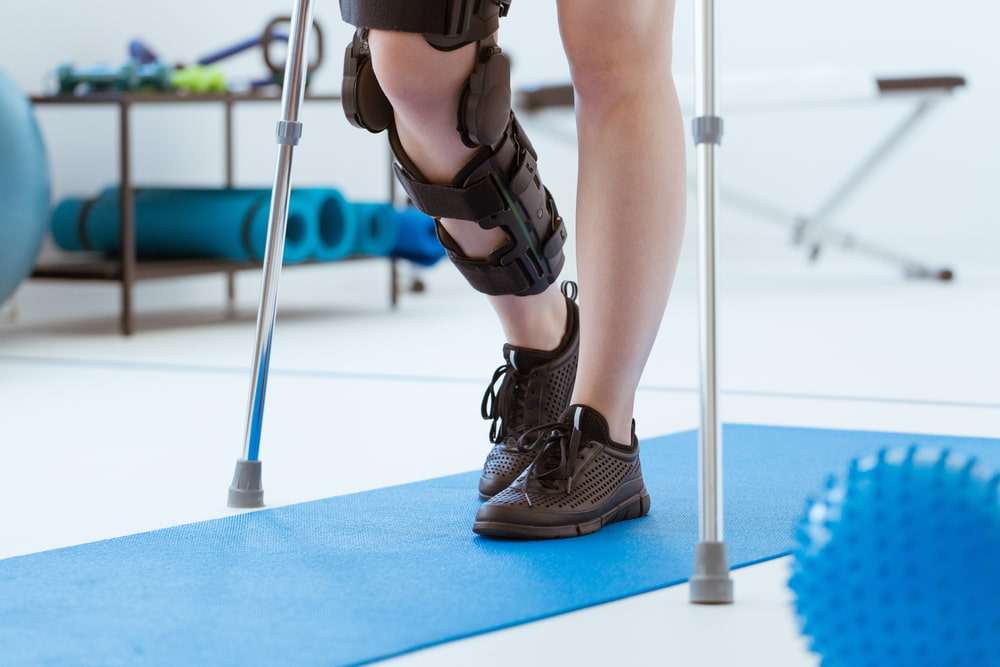
After the trauma surgeons finish their work, recovery usually moves to rehabilitation doctors, prosthetists, and therapists who focus on limb loss. Following through with that care matters for your health, and it also matters for the claim. Gaps in treatment are one of the first things an insurer points to when it argues an injury is less serious than it is.
Deadlines run while you recover. Most Texas injury lawsuits must be filed within two years, with exceptions for situations such as injured children, and claims against a government entity or over an older product can raise earlier cutoffs.

What Does Losing a Limb Cost Over a Lifetime?
The lifetime cost of an amputation is often far higher than people expect, because prosthetics wear out, bodies change, and care continues for decades. A life care planner maps those needs year by year so the claim covers the whole future, not just the next twelve months.
It is the same kind of long-term math we walk through in our guide to the financial impact of a catastrophic spinal cord injury.
| Cost category | What it can include | Why it keeps adding up |
| Prosthetic devices | Initial limb, sockets, liners, and specialty devices for work or activity | Devices and sockets need adjustment and replacement over the years |
| Rehabilitation | Physical therapy, occupational therapy, and gait training | Training repeats when a new device or new limitation arrives |
| Home and vehicle changes | Ramps, bathroom changes, hand controls, wider doorways | Needs grow as a person ages |
| Mental health care | Counseling for depression, anxiety, or trauma | Adjusting to limb loss takes time and support |
| Lost earning capacity | The difference between past and future earning power | It affects every working year that remains |
José Calderón puts the stakes simply: "Money comes and goes, but you have one body." That idea shapes how we value these cases.
Why Does the Insurer Fight the Life Care Plan?
The future is the most expensive part of an amputation claim, so it is also the part the defense attacks hardest. Insurers often hire their own planners who assume cheaper devices, fewer replacements, or a faster return to work. We answer with treating doctors, prosthetists, and specialists who know your actual needs, because once a case resolves, you cannot come back for more.
Phantom Limb Pain and Other Long-Term Effects
Many people feel pain, tingling, or movement in a limb that is no longer there. MedlinePlus explains that phantom limb sensations often fade over time but may never fully go away. Treatment for that pain, along with skin problems where the prosthesis fits and strain on the other limbs, belongs in the claim.
What If the Amputation Happened at Work?
Workplace amputations can involve two separate paths: workers' compensation benefits and a lawsuit against any other company that caused the injury. Our work injury lawyers look at both from the start.
Lifetime Income Benefits
Texas workers' comp pays lifetime income benefits for certain severe losses, including the loss of both feet at or above the ankle, both hands at or above the wrist, or one hand at or above the wrist together with one foot at or above the ankle, under Section 408.161 of the Labor Code.
The law treats the total and permanent loss of use of a body part the same as losing it.
Amputations that do not meet that list are usually paid through impairment income benefits, which depend on the impairment rating a doctor assigns. That rating is worth a careful look, because it controls how many weeks of benefits you receive.
Claims Beyond Workers' Comp
Comp benefits do not pay for pain, mental anguish, or disfigurement. Those damages can come from a claim against an equipment maker, a property owner that controlled the work, or another company on the site. If your employer does not carry workers' comp at all, you may be able to sue the employer directly.
Who Can Be Held Responsible for an Amputation?
A person or company may be liable if the evidence establishes a legal basis for responsibility and links its conduct or defective product to the amputation.
The parties to investigate depend on how the injury happened and can include a negligent driver and the company that employed them, a manufacturer that sold a dangerous product, or a business that ignored a known hazard. If a product or tool was involved, keep it exactly as it is, because it is often the strongest evidence in the case.
How Fault Is Divided
In claims governed by Texas law on proportionate responsibility, your share of fault reduces your damages, and responsibility greater than 50% bars recovery.
Different rules apply to an employee's negligence claim against an employer that does not carry workers' compensation insurance: the employer generally cannot use the employee's contributory negligence as a defense. For a claim governed by proportionate responsibility, a hypothetical $500,000 damages award reduced by 10% would leave $450,000 before attorney's fees, expenses, and other applicable deductions.
Defense lawyers in amputation cases often focus on that percentage, so we build the liability case with the same care as the damages case.
How We Build an Amputation Case
We build an amputation case with two goals: proving who caused the injury and proving what the injury will cost for the rest of your life. Both take time, specialists, and money, and the firm advances those costs so you do not have to.
Our work on these cases often includes:
- Life care planners and economists who calculate future medical and income losses
- Prosthetists and physical medicine doctors who explain your device and therapy needs
- Engineers or accident reconstructionists who show how the accident happened
- Vocational specialists who assess what work is still realistic, alongside programs such as the Texas Workforce Commission's vocational rehabilitation services
No two amputation cases are alike, and the outcome of one never predicts another.
In José's words, "The client's interest is at the top of the pyramid." In an amputation case, that means we do not rush to a number that only covers the first year. We wait until the medical picture is clear enough to value the whole future, and we explain every offer so you can decide with the facts in front of you.
Our attorneys and case managers work on your file every day, and José makes time to talk with clients who want to reach him. The firm's catastrophic injury lawyers handle limb loss alongside spinal cord, brain, and burn injuries. Call +1 (346) 999-5673 for a free consultation.
Houston Amputation Lawyer FAQs
People who have lost a limb, and their families, often ask us these questions.
How much is an amputation case worth in Texas?
The value of an amputation case in Texas depends on which limb was lost, your age and work, the cost of future care, and how much insurance is available. Texas does not cap pain and suffering in most injury cases, other than medical malpractice and claims against government entities, so a well-documented claim can reflect the full human cost of the loss.
Will I have to pay back my health insurance from an amputation settlement?
Many health plans have a right to be repaid from an injury settlement for the bills they covered. The amount and the rules depend on the type of plan, and those repayment claims can often be negotiated down, which leaves more of the settlement for your future care.
Does a reattached finger or limb still count as an amputation claim?
A body part that surgeons reattach can still support a serious injury claim. Reattachment often means more surgeries, long therapy, and reduced strength or feeling, and OSHA still treats a reattached part as an amputation for workplace reporting purposes.
Can my spouse recover anything after my amputation?
A spouse may have a separate claim for loss of consortium, which compensates for the loss of companionship, affection, and support caused by a serious injury. That claim is tied to the main injury claim, so it is usually brought in the same case.
What if the person who caused my amputation had little insurance?
When the at-fault party's insurance is too low, other sources may help, including a trucking or business policy, umbrella coverage, or your own uninsured and underinsured motorist coverage. Finding every policy early is one of the first things we do.

Talk With an Amputation Injury Attorney in Houston
Recovering from an amputation takes courage and patience, and the legal side should not add to the weight. A free conversation with our team can tell you who may be responsible, what your claim should include, and how to protect it while you heal.
The Calderon Law Firm represents Houston families and injured Texans after the loss of a limb. Start with a free call at +1 (346) 999-5673, or send a message through our contact page and a member of our team will follow up.